


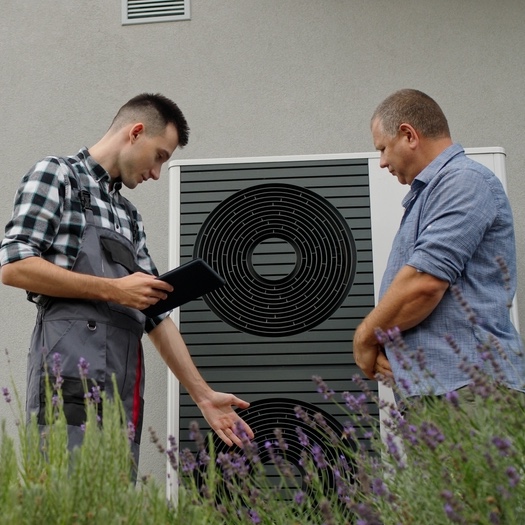
Homeowners across the country are increasingly exploring alternatives to traditional heating systems, and one of the most common questions is: Can a heat pump replace a furnace? The short answer is yes—a heat pump can replace a furnace in many homes, especially in moderate climates. However, in colder regions, a heat pump may need support during extreme temperature drops, which is why many homeowners choose a dual-fuel system combining a heat pump and furnace.
Heat pumps continue to grow in popularity because they can heat and cool with a single system, often operate more efficiently than gas furnaces, and reduce household emissions. Understanding how they compare to furnaces, and where each system excels, helps homeowners make informed decisions about comfort, energy use, and long-term value.

How Heat Pumps and Furnaces Work
Heat pumps and furnaces provide warmth in very different ways. This difference in operation explains why heat pumps are so efficient—and why climate plays a major role in whether they can fully replace a furnace.
A furnace burns natural gas, propane, or oil (or uses electric heating elements) to create heat. The blower motor pushes warm air through ductwork and into your living spaces. Furnaces produce heat quickly and are designed to handle extreme winter temperatures without efficiency loss.
A heat pump, however, does not generate heat. Instead, it moves heat from one place to another. During winter, it extracts heat from the outdoor air and transfers it indoors. In summer, the process reverses, allowing the same system to cool your home like an air conditioner. Because heat transfer uses less energy than combustion, heat pumps can be more efficient than furnaces, especially during mild or moderate weather.
How Heat Pumps and Furnaces Compare
| Feature | Heat Pump | Furnace |
|---|---|---|
| Heating method | Transfers heat from outdoors | Generates heat through combustion or electric elements |
| Cooling ability | Yes (functions as AC) | Requires separate AC unit |
| Efficiency | High in moderate climates | Consistent in all climates |
| Energy source | Electricity | Gas, propane, oil, or electricity |
| Cold-weather performance | Reduced efficiency in very low temperatures | Unaffected by extreme cold |
| Maintenance | Moderate | Moderate |
| Installation cost | Moderate to high | Lower for gas models |
| Lifespan | 12–15 years | 10–20 years depending on fuel |
Both systems can heat a home well; the right choice depends on climate, comfort needs, and long-term energy goals.
For heating issues or equipment concerns, visit our Furnace Repair page.
For seasonal safety and performance protection, see our Furnace Maintenance page.
When a Heat Pump Can Fully Replace a Furnace
Heat pumps can serve as the sole heating system when:
- Winters are mild to moderate, with temperatures rarely falling below zero
- The home has strong insulation and good overall energy efficiency
- The heat pump is sized correctly by a qualified HVAC professional
- The unit uses modern cold-climate heat pump technology
- Homeowners want one system that handles both heating and cooling
Cold-climate heat pumps have improved significantly, and many work efficiently even in temperatures below freezing. However, during severe cold snaps, supplemental heat may still be necessary.
Performance of Heat Pumps in Cold Climates
Cold-climate heat pumps use variable-speed compressors and advanced refrigerants that allow them to extract heat even when outdoor temperatures drop below zero.
However, their efficiency decreases as temperatures fall. For northern states—such as Minnesota—this means a heat pump can provide most of the heating throughout fall and spring but may need help on the coldest winter days.
The Department of Energy’s Building Technologies Office notes that cold-climate heat pumps can significantly reduce heating costs while still providing reliable comfort, especially when paired with a backup heat source.
This is where a dual-fuel system becomes ideal.
Heat Pump Alone vs. Dual-Fuel System in Cold Regions
| System Type | Advantages | Best For |
|---|---|---|
| Heat pump alone | Lower operational costs; cooling + heating in one system; no combustion fuel needed | Mild to moderate climates |
| Dual-fuel heat pump + furnace | Automatic switching in extreme cold; maximum efficiency across seasons; reliable peak-winter performance | Colder climates and rural areas requiring high reliability |
| Furnace alone | Strong heating capacity; consistent performance in any temperature | Homes not ready for heat pump conversion |
A dual-fuel system automatically switches between heat pump and furnace based on outdoor temperature, ensuring efficiency and comfort.
How to Know if a Heat Pump Can Replace Your Furnace
1. Evaluate your climate
A heat pump is highly effective in regions with moderate winter temperatures. In colder areas, consider whether you’re comfortable with a dual-fuel setup. Furnaces can have a longer lifespan than heat pumps, up to 20 years with proper maintenance. However, heat pumps can last up to 15 years or more with proper maintenance, making them a long-term investment for energy-efficient heating and cooling.
2. Assess your home’s insulation
Well-sealed homes retain heat more effectively, allowing a heat pump to operate more efficiently.
3. Check your electrical capacity
Heat pumps require dedicated electrical circuits. An HVAC professional can confirm whether your panel supports the upgrade.
4. Consider whether you want integrated cooling
A heat pump replaces both your furnace and air conditioner, offering a major system consolidation.
5. Schedule a professional load calculation
A properly sized system is essential. A Manual J load calculation determines whether a heat pump alone is sufficient for your home.
Benefits of Replacing a Furnace With a Heat Pump
Heat pumps offer compelling advantages, especially for homeowners seeking long-term efficiency and lower energy use:\
- A single system provides both heating and cooling
- High efficiency reduces energy consumption and operating costs
- No on-site combustion reduces carbon monoxide risk
- Lower environmental impact because heat pumps do not burn fuel
- Improved humidity control and consistent air circulation
- Heat pumps combine heating, cooling, air filtration, and dehumidification into one system
- Heat pumps are a greener option, producing fewer carbon emissions compared to gas-burning systems
Because heat pumps operate year-round, they maintain more consistent temperature and air quality compared to seasonal furnace use. Additionally, heat pumps can improve indoor air quality by filtering and purifying the air.
How Heat Pump Replacement Affects Energy Costs
Heat pumps can significantly reduce energy bills in climates where they operate efficiently for most of the year. Because they move heat instead of generating it, they often outperform older gas furnaces in terms of cost per BTU delivered.
Heat pumps can reduce energy costs by up to 50% compared to electric furnaces. For homes currently using propane or oil—two higher-cost heating fuels—the savings can be even more substantial. Additionally, heat pumps typically consume approximately 65% less electricity compared to electric furnaces, further enhancing their cost-effectiveness.
The National Renewable Energy Laboratory (NREL) reports that homes switching from conventional heating systems to heat pumps can achieve meaningful energy cost reductions, particularly in regions with cleaner electrical grids or lower electricity rates.
However, electricity use will rise because the heat pump operates year-round. Total cost depends on local utility rates, fuel costs, system design, and home efficiency.
Safety Considerations When Replacing a Furnace With a Heat Pump
Heat pumps eliminate several furnace-related risks, such as carbon monoxide leaks and combustion hazards. However, they do require safe electrical installation and proper refrigerant handling.
Additionally, heat pumps require more frequent maintenance checks than furnaces to ensure optimal performance and longevity.
A licensed professional should verify:
- Electrical panel capacity
- Proper breaker sizing
- Correct refrigerant charge
- Adequate airflow
- Safe placement of the outdoor condenser
The Consumer Product Safety Commission recommends annual inspections for heating and cooling systems to ensure safe operation, especially when upgrading equipment.
If your home previously relied on combustion heating, you should keep carbon monoxide detectors installed—especially if the system is part of a dual-fuel setup.
What to Expect During a Heat Pump Conversion
1. Removal of existing furnace and AC components
Technicians disconnect and remove the old units safely.
2. Electrical and refrigerant line preparation
Heat pumps need dedicated circuits and refrigerant lines running between indoor and outdoor units.
3. Installation of new equipment
The indoor air handler and outdoor heat pump condenser are installed and connected.
4. Thermostat setup
Modern thermostats compatible with heat pump control sequences are installed.
5. System testing and commissioning
Technicians verify defrost mode, airflow, refrigerant charge, and heating performance.
Conversions typically take one full workday but may take longer if panel upgrades or duct modifications are needed.

FAQs About Heat Pump vs Furnace
Is it worth replacing a furnace with a heat pump?
Yes, especially in moderate climates or homes seeking long-term energy savings. A heat pump replaces both heating and cooling equipment, offering comfort and efficiency benefits. In colder climates, pairing it with a furnace provides the best performance.
Do heat pumps replace your furnace?
They can. A heat pump can fully replace a furnace in many homes. In very cold climates, the more reliable approach is a dual-fuel system, which automatically switches to furnace heat when outdoor temperatures drop too low.
How much does it cost to convert a furnace to a heat pump?
Conversions vary widely based on electrical requirements, equipment, and ductwork. Replacing a gas furnace with a heat pump typically costs between $7,000 and $13,000. Although heat pump installation has a higher upfront cost than traditional furnaces, long-term energy savings make it a cost-effective investment.
What houses are not suitable for heat pumps?
Homes with inadequate electrical capacity, major air leaks, uninsulated attics or walls, or extremely outdated ductwork may require upgrades before installation. A professional evaluation determines suitability.
Professional Guidance for Heat Pump and Furnace Systems
Heat pumps offer excellent comfort and efficiency, but choosing the right system depends on climate, home design, and energy goals. Whether you’re considering full replacement, dual-fuel pairing, or system maintenance, Neighborhood Plumbing, Heating, A/C & Electrical provides expert guidance and installation services.
To schedule an evaluation or request an estimate, contact our team through our Contact Us page.