


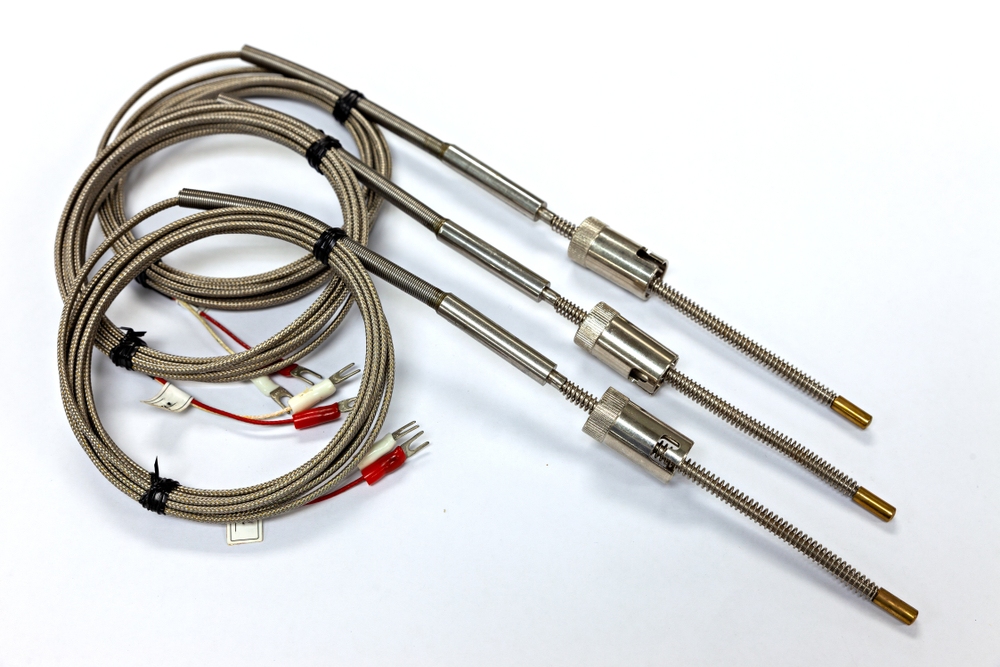
You’re bundled up in three layers, staring at a dead pilot light that won’t stay lit no matter how many times you click the igniter. The house is getting colder by the minute, and somewhere in the back of your head you remember the repair guy once mentioning a “thermocouple.” Now you’re wondering: “What the heck does that little copper thing actually do, and is it the reason I’m freezing right now?”
A furnace thermocouple is a flame‑sensing safety device that generates a tiny voltage when heated by the pilot flame; that voltage keeps the gas valve open and shuts gas off instantly if the flame goes out to prevent leaks.
The thermocouple is your furnace’s built-in flame bodyguard. It sits in the pilot flame and produces a tiny electrical signal (about 20–30 millivolts) as long as the flame is burning. That signal is the only thing keeping the gas valve open. The second the flame goes out—even for a split second—the thermocouple cools, the voltage drops, and the gas shuts off instantly so your house doesn’t fill with unburned gas.
In this guide, we’re breaking down exactly how the thermocouple works, the classic symptoms when it fails (pilot won’t stay lit, furnace starts then stops, constant clicking), and the dead-simple 10-minute test and replacement that gets heat roaring again tonight—usually for under $20 and zero service call.
What Is a Furnace Thermocouple?
A thermocouple is a two‑metal junction that produces millivolts when heated. In a gas furnace with a standing pilot, it answers the question what does the thermocouple do on a furnace by proving flame to the control. If the pilot flame vanishes, the millivolt signal drops and the gas valve closes.
How it Works
- Monitors the flame:The metal tip of the thermocouple is positioned in the pilot light flame to sense its heat.
- Generates voltage:The heat from the pilot flame causes the two dissimilar metals within the thermocouple to generate a small amount of electricity (voltage).
- Holds the valve open:This voltage travels to the gas valve and keeps it open, allowing gas to flow to both the pilot and the main burners.
- Shuts off gas if flame is lost:If the pilot light goes out, the thermocouple cools down, the voltage drops, and the gas valve instantly closes, cutting off the gas supply.
- Prevents hazards:This automatic shutoff prevents unburned gas from accumulating in the furnace, which could lead to an explosion or carbon monoxide leaks.
How the Thermocouple Keeps Your Home Safe
The device sits in the pilot flame. When hot, it outputs roughly 20–35 mV DC to energize the gas valve’s safety magnet. If the flame fails, output falls to zero and the valve snaps closed. This prevents unburned gas from entering the combustion chamber and living space.
Learn more about combustion safety in the U.S. Department of Energy – Gas Furnaces.
Thermocouple vs Thermopile: What’s the Difference?
A thermocouple uses two metals and creates low millivolts for safety proofing. A thermopile uses many junctions in series, creating higher voltage for powering controls. Modern fireplaces often use thermopiles; many older furnaces use thermocouples for pilot safety.

Common Symptoms of a Bad Thermocouple
- Pilot will light but won’t stay lit when you release the button
- Main burners never ignite despite gas supply
- Intermittent heating cycles or frequent pilot outages
- Sooty or weak pilot flame not engulfing the sensor tip
Each symptom points back to flame sensing and underscores why homeowners ask, “What Does the Thermocouple Do on a Furnace, Exactly?” — the answer is safety shutoff and ignition reliability.
How to Diagnose Thermocouple Issues Safely
First verify gas shutoff is open and the pilot flame is crisp, blue, and steady. With power and gas off, a pro may remove the thermocouple, clean oxidation from the tip, and measure output in millivolts under flame. Readings under ~15 mV often indicate replacement.
When to Replace the Thermocouple
If cleaning doesn’t restore steady output, replacement is inexpensive and fast. Match length and thread type, route the lead away from hot surfaces, and position the tip in the hottest part of the pilot flame. After installation, confirm stable pilot and multiple successful cycles.
For guidance on state code and safe gas work, consult the Minnesota Dept. of Labor and Industry – Fuel Gas Code and the national standards summarized by NFPA 54 (National Fuel Gas Code) Overview.
Pilot Flame Quality and Placement Tips
A strong pilot should envelop the top 3/8–1/2 inch of the thermocouple tip. Yellow, lazy flames indicate contamination or low gas pressure. Misalignment or drafts can cool the tip and drop millivolts. Correcting pilot quality often resolves questions about reliability and safety.
Carbon Monoxide Awareness and Venting Basics
While the thermocouple limits raw gas release, poor combustion or venting can still create carbon monoxide. Install UL‑listed CO alarms on every level of your home and near sleeping areas, test monthly, and replace per manufacturer guidance.
Review life‑safety guidance at the CDC – Carbon Monoxide Poisoning.
DIY vs Professional Service: What’s Recommended?
Homeowners can gently clean a dirty thermocouple and verify pilot quality. For gas leak checks, code compliance, or repeated pilot outages, schedule a licensed HVAC technician. Professional testing covers gas pressure, draft, combustion, and control safety interlocks.
Maintenance Checklist for Reliable Ignition
- Replace or clean furnace filter every 1–3 months during heating season
- Keep pilot assembly and burner compartment free of dust and lint
- Ensure venting and combustion air pathways are unobstructed
- Schedule annual HVAC maintenance before the first cold snap in Minnesota
Cost, Lifespan, and Alternatives
Most thermocouples are affordable and can last for years under proper flame conditions. If you have repeated failures, the root cause may be pilot quality, gas pressure, or heat stress. Some modern furnaces use flame sensors or hot‑surface igniters instead of standing pilots.
Thermocouple Quick Specs and Troubleshooting
| Attribute | Typical Range / Note |
|---|---|
| Output (mV under flame) | ~20–35 mV |
| Failure Threshold | < 15 mV may drop gas valve |
| Pilot Flame Aim | Engulf top 3/8–1/2 inch of tip |
| Common Causes of Failure | Soot, misalignment, drafts, heat stress |
Safety Checklist Before Relighting a Pilot
- Read the manufacturer’s instructions on the access panel
- Ventilate the area and sniff for gas; if detected, evacuate and call your gas utility
- Turn the gas control to OFF and wait five minutes before relighting
- Use a long lighter; never bypass safety devices
If you smell gas continually or hear hissing, leave the home and contact your utility or fire department. Do not operate switches or create sparks.
Deep Dive: Thermocouple output depends on flame temperature and contact area. A hard, well‑aerated blue pilot typically yields the highest millivolt signal. If the tip is only partially in the flame, heat transfer drops and the signal may intermittently fall below the gas valve’s holding current threshold.
Measurement Nuance: Millivolt readings taken with the thermocouple disconnected differ from readings taken under load. Professionals often compare open‑circuit and closed‑circuit values to locate hidden issues such as high resistance at the compression nut, a weak safety magnet, or a pilot orifice restricted by debris. Good connections are clean, snug, and free of oxidation.
Code Context: Local adoption of fuel gas codes in Minnesota aligns with nationally recognized standards. While a thermocouple prevents unburned gas release after flame loss, it does not address draft problems, heat exchanger cracks, or improper clearances. Comprehensive inspections consider venting, combustion air, and appliance location relative to bedrooms and garages.
Myths to Avoid: Bending a thermocouple aggressively to “make it hotter” can damage the junction. Likewise, taping the lead or insulating it to ‘hold heat’ is not a fix; proper pilot alignment and clean combustion are the correct remedies. If repeated outages occur during windy weather, evaluate vent terminations and building depressurization.
Upgrade Paths: If nuisance outages persist on an aging standing‑pilot furnace, consider retrofitting electronic ignition or planning for a modern, code‑compliant replacement that uses flame rectification rather than a thermocouple. A licensed technician can compare lifecycle cost, efficiency gains, available rebates, and comfort improvements.
Seasonal Readiness in Minnesota: Before the first hard freeze, verify thermostat operation, replace filters, clear snow from intake and exhaust terminations, and confirm CO alarms function. Addressing these basics often resolves ignition complaints misattributed to the thermocouple.

Need Furnace Help from a Local Pro?
If your pilot won’t stay lit or you’re not sure what the thermocouple does on a furnace that impacts your system, our HVAC team serves homes across central Minnesota. Call 800-570-4328 or request service online today.
FAQs
What does the thermocouple do on a furnace?
It senses the pilot flame and generates a small voltage that holds the gas valve open; if the flame goes out, the signal drops and the valve closes to prevent a gas leak.
How do I know if my thermocouple is bad?
Common signs include a pilot that won’t stay lit, intermittent burner operation, or low millivolt readings under flame (often below ~15 mV).
Can I clean a furnace thermocouple?
Yes. With power and gas off, gently remove oxidation from the tip and realign it in the pilot flame. If issues remain, replacement is recommended.
Is a thermopile the same as a thermocouple?
No. A thermopile is multiple junctions in series that produce higher voltage for controls; a thermocouple is a single junction used primarily for flame safety proofing.
How often should a thermocouple be replaced?
There is no fixed interval; replace when it fails testing or shows recurring symptoms. Maintaining a clean, properly aimed pilot prolongs life.
Do newer furnaces still use thermocouples?
Many modern furnaces use electronic ignition and flame sensors instead of standing pilots, but older units with pilots still rely on thermocouples.
Resources
- U.S. Department of Energy – Gas Furnaces
- Minnesota Dept. of Labor and Industry – Fuel Gas Code
- NFPA 54 (National Fuel Gas Code) Overview
- CDC – Carbon Monoxide Poisoning
This content is for general informational purposes only and is not a substitute for professional, tailored advice. Our services are strictly focused on HVAC Installation and Service within the Minnesota area. This article is not a guarantee of service representation.