

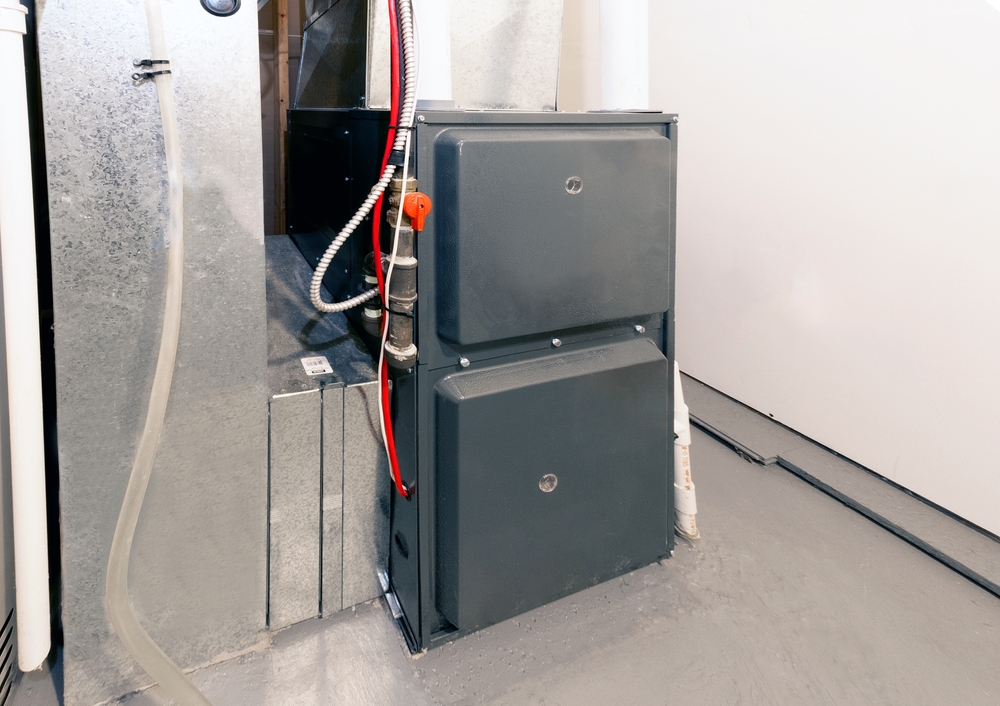
Furnace short cycling—when a furnace turns on and off repeatedly without completing a full heating cycle—is one of the most common heating problems homeowners experience. While it may seem like a minor annoyance, the truth is that short cycling can be dangerous, especially if it results from overheating, a cracked heat exchanger, or malfunctioning safety controls. It also causes rapid wear on components, increases energy bills, and shortens furnace lifespan.
Homeowners in colder regions such as North Central Minnesota are particularly affected because long heating seasons mean more cycles per day. Even a small issue can escalate quickly when the furnace must run frequently to maintain comfortable indoor temperatures.
Short cycling is both a symptom and a warning sign. Understanding why it happens and how to correct it early helps protect your home, your equipment, and your safety.
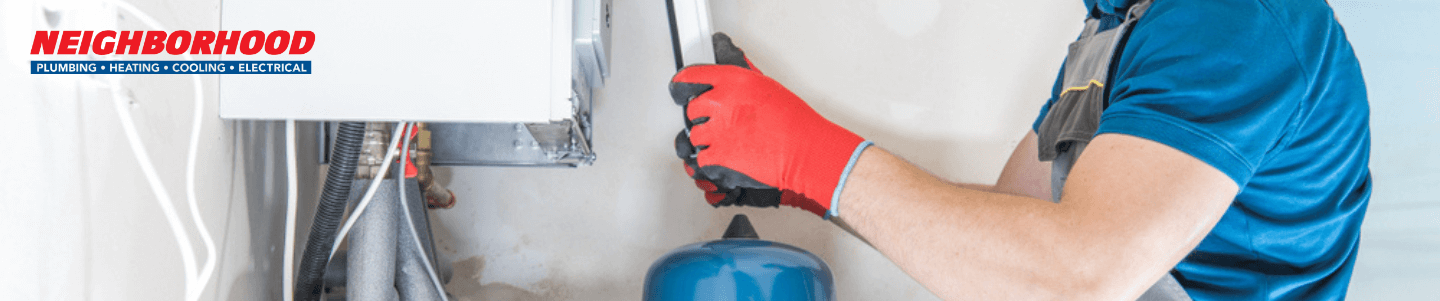
What Furnace Short Cycling Is and Why It Matters
Short cycling occurs when a furnace starts heating but shuts down prematurely—often within seconds or minutes—only to repeat the process again shortly afterward. Instead of running in calm, steady heating cycles, the furnace “rapid fires,” straining electrical and mechanical components.
A properly functioning furnace cycles 2–4 times per hour under typical conditions. A short-cycling system may cycle 8–20 times per hour. Because ignition creates the most stress and heat buildup, these rapid restarts place strain on the igniter, burners, control board, blower motor, and heat exchanger. Each startup during short cycling also uses a lot of energy, leading to higher energy bills over time.
Why Furnace Short Cycling Is Dangerous
Understanding the dangers associated with furnace short cycling is crucial for maintaining a safe and efficient heating system. Here are the primary risks that can arise when your furnace experiences short cycling:
- Overheating: Restricted airflow or faulty limit switches can cause the furnace to repeatedly overheat, risking component damage.
- Heat exchanger cracking: Excessive thermal stress can accelerate cracking, potentially allowing carbon monoxide to enter the home.
- Carbon monoxide hazards: A cracked heat exchanger or burner malfunction may cause CO leaks—especially dangerous because CO is odorless.
- Electrical overload: Frequent startups strain circuitry, igniters, and motors, increasing the risk of electrical failure.
- Fire risk: Severe overheating or electrical issues can create conditions that raise fire hazards.
- Combustion instability: Rapid cycling can affect burner performance, leading to incomplete combustion or ignition delays.
These risks underscore why short cycling should never be ignored, even if heat is still coming from the vents.
Differences Between Normal Cycling and Short Cycling
Below is a comparison table highlighting the key differences between normal furnace operation and short cycling. This will help you better understand what to expect from a properly functioning furnace versus one experiencing short cycling issues.
| Feature | Normal Furnace Operation | Short Cycling |
|---|---|---|
| Cycle length | 10–15 minutes | 30 seconds–5 minutes |
| Rest period | Several minutes | Very brief or none |
| Strain on equipment | Low to moderate | High |
| Indoor comfort | Stable | Inconsistent |
| Energy usage | Efficient | High |
| Safety concerns | Minimal | Elevated CO, overheating, component failure |
Short cycling is almost always a sign of a larger underlying issue.
Common Causes of Furnace Short Cycling
Common causes of furnace short cycling vary from simple maintenance issues to serious mechanical problems. Identifying these early helps prevent damage and safety risks. Frequent reasons include a malfunctioning thermostat, restricted airflow, and an oversized furnace.
- Dirty air filter restricting airflow and causing overheating
- Blocked or closed vents creating pressure imbalances
- Faulty thermostat or improper thermostat placement
- Malfunctioning flame sensor leading to premature burner shutdown
- Cracked heat exchanger causing incomplete combustion
- Blocked flue or exhaust system preventing safe ventilation
- Undersized or oversized furnace causing rapid temperature swings
- Failed pressure switch interrupting the ignition sequence
These issues range from simple fixes to serious mechanical failures.
How to Check for Simple Causes First
To address furnace short cycling effectively, start with simple homeowner checks focusing on common causes like airflow restrictions, thermostat settings, and basic maintenance.
These steps often resolve the issue quickly and prevent further damage or safety risks. Scheduling annual maintenance with an HVAC professional can help identify and resolve issues before they escalate. If the problem persists, professional diagnosis may be necessary.
1. Inspect and replace the air filter
A clogged filter is the most common cause of short cycling. Replace filters every 1–3 months during heavy heating use. Regularly changing your furnace filters can prevent airflow restrictions and improve efficiency. A clean filter lowers furnace temperature and ensures proper airflow.
2. Ensure all vents and returns are open
Closed vents create pressure imbalances that force the furnace to shut down early. Make sure no furniture or rugs are blocking airflow.
3. Check the thermostat
Incorrect settings, miscalibration, weak batteries, or placement near heat sources can all trigger short cycling.
If these steps don’t resolve the issue within a few cycles, the furnace likely needs professional diagnosis.
Why Overheating Causes Short Cycling
Overheating is the most common dangerous trigger for short cycling. Furnaces include a high-limit switch that shuts the system down to protect it from excessive temperature. When the furnace overheats, the switch cuts power to the burners. As the furnace cools, the burners attempt to restart—creating a rapid on/off pattern.
Causes of overheating include:
- Dirty filter
- Blocked ductwork
- Failing blower motor
- Accumulated dust inside the heat exchanger
- Improper burner operation
- Restricted combustion air
Repeated overheating accelerates metal fatigue in the heat exchanger, increases stress on wiring, and reduces furnace efficiency.
The Connection Between Short Cycling and Carbon Monoxide
Short cycling does not always indicate a carbon monoxide problem, but certain failures that cause short cycling can create CO hazards. A cracked heat exchanger is the biggest concern. When the metal fatigues from repeated overheating and rapid cycling, cracks can form—allowing combustion gases to leak into the home’s airflow.
The Environmental Protection Agency emphasizes that carbon monoxide exposure can cause illness or death and recommends CO detectors near all sleeping areas, especially in homes with fuel-burning appliances.
If your furnace short cycles and you notice soot, odors, or inconsistent flames, stop using it until a technician verifies the heat exchanger’s condition.
Symptoms That Suggest Short Cycling Is a Safety Hazard
Symptoms indicating that your furnace short cycling may pose a safety hazard can manifest in various ways. Recognizing these signs early can help prevent potential damage and ensure your home’s safety. The table below highlights common symptoms alongside their possible safety concerns.
| Symptom | Possible Safety Concern |
|---|---|
| Burning smell | Overheating / electrical problem |
| Soot around furnace | Incomplete combustion |
| Yellow or flickering flame | CO production / burner issue |
| Furnace shuts off within seconds | Ignition or flame sensor failure |
| Unusual noises | Blower or heat exchanger stress |
| Musty or chemical odors | Venting blockage or overheating |
If any of these symptoms are present, avoid running the furnace until it’s inspected.
What to Do If Your Furnace Is Short Cycling
To address furnace short cycling effectively, start with simple homeowner checks focusing on airflow, thermostat settings, and basic maintenance. These often resolve common issues quickly and prevent further risks. If problems persist, seek professional diagnosis for complex or hazardous causes.
1. Replace the filter and open all vents
This eliminates the most common airflow-related triggers.
2. Check the thermostat
Ensure accurate placement away from drafts, heat sources, or sunlight.
3. Observe the furnace startup sequence
If it shuts down before the blower engages or before flames stabilize, deeper issues may be present.
4. Install or test carbon monoxide detectors
Make sure detectors are functioning and properly placed.
5. Contact an HVAC technician if short cycling continues
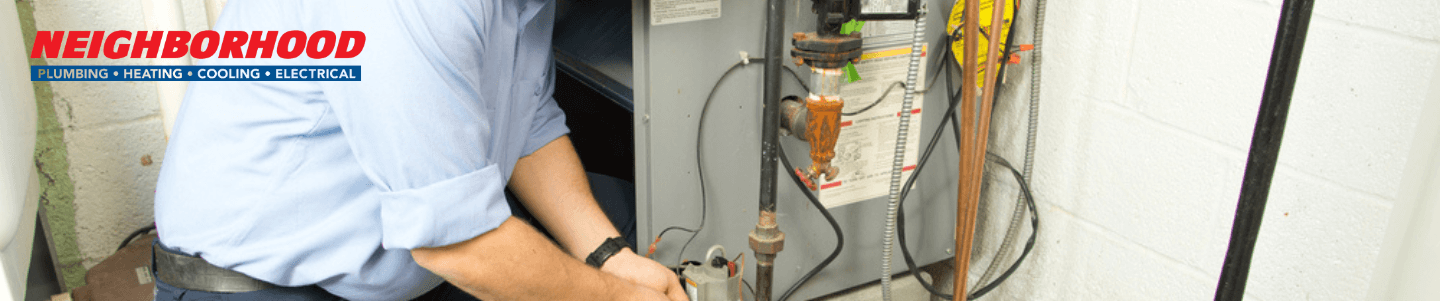
A professional can inspect the heat exchanger, ignition system, pressure switch, flue, and blower motor. Some of these issues involve dangerous combustion components that homeowners should not attempt to repair. Visit our Furnace Repair page to schedule service.
Advanced Causes a Technician Must Diagnose
Some short-cycling causes are not visible from the outside of the furnace. Professional inspection may uncover:
Heat Exchanger Failure
A cracked heat exchanger forces the furnace into rapid shutdowns. This is one of the most serious forms of furnace failure because it poses combustion and CO hazards.
Pressure Switch or Draft Inducer Failure
These components ensure safe exhaust flow. If they malfunction, the furnace may shut down almost immediately after ignition.
Flame Sensor or Igniter Problems
A dirty or failing flame sensor will shut burners off prematurely. An aging igniter may create inconsistent flame readings.
Blocked Flue or Intake
Ice, debris, birds, or exhaust obstruction can prevent proper ventilation, triggering safety shutdowns.
Oversized Furnace
An oversized furnace heats the home too quickly and shuts off repeatedly. This leads to wasted energy, loud operation, and accelerated wear.
Short cycling caused by sizing, combustion conditions, or exhaust blockage is unsafe to ignore.
Long-Term Effects of Ignoring Short Cycling
Furnace short cycling shortens system lifespan dramatically because most mechanical stress occurs during startup. Repeated rapid cycling can lead to burnt-out igniters, heat exchanger fatigue, blower motor failure, increased soot accumulation, damaged control boards, reduced heating efficiency, and higher utility bills.
Additionally, a short-cycling furnace can lead to a total breakdown, especially during cold weather, leaving homeowners without heat when they need it most. Oil and gas furnaces face even greater risks, as incomplete combustion during short cycles may produce elevated carbon monoxide levels, posing serious safety concerns.
When Short Cycling Becomes an Emergency
Short cycling becomes an urgent concern if it is accompanied by burning, chemical, or electrical odors, yellow flames, soot around the furnace, loud banging or scraping noises, repeated tripping of the furnace’s safety switch, or carbon monoxide alarms.
In such cases, it is critical to shut down the furnace at the switch or breaker and avoid further operation until the system has been thoroughly inspected by a professional. These symptoms indicate potentially serious safety hazards that require immediate attention to protect both the home and its occupants.
FAQs About a Short Cycling Furnace
What Makes Furnace Short Cycling Dangerous?
It can cause overheating, electrical strain, and heat exchanger cracking, potentially allowing carbon monoxide to enter the home.
What is the Most Common Cause of Short Cycling?
A dirty air filter is the primary culprit because it restricts airflow and forces the furnace to overheat.
How Do I Fix Short Cycling?
Start by replacing the air filter, opening vents, and checking the thermostat. If problems persist, contact a professional.
Can a Cracked Heat Exchanger Cause Short Cycling?
Yes. Cracks often lead to incomplete combustion and trigger safety shutdowns. This condition is extremely dangerous.
Do I Need a Technician if the Furnace Still Short Cycles After Changing the Filter?
Yes. Continued short cycling indicates deeper mechanical, electrical, or combustion issues.
Professional Furnace Repair in North Central Minnesota
Furnace short cycling can range from a simple airflow issue to a serious safety hazard involving overheating or carbon monoxide. If your furnace is cycling on and off rapidly—or showing signs of stress—it’s important to have it inspected by a trained HVAC professional.
Neighborhood Plumbing, Heating, A/C & Electrical provides comprehensive furnace diagnostics, repair, and safety inspections throughout North Central Minnesota.
For expert help, visit the Contact Us page.