

A furnace should never produce a sharp, high-pitched whistle. When it does, homeowners often wonder, “Is a whistling furnace dangerous?” The quick answer is Yes, a whistling furnace can be dangerous because it can indicate a gas leak, which poses risks of carbon monoxide poisoning, fire, and explosion. A whistling sound can also signal other serious problems like a refrigerant leak or a strained blower motor that could lead to system failure.
It is best to have the furnace inspected immediately by a professional, and if you suspect a gas leak, turn the system off, leave the building, and call emergency services from outside.
This guide provides a clear, expert-level explanation of what a whistling furnace means, when it’s dangerous, how to respond, and how professionals diagnose and resolve the issue. It’s designed for national homeowners while offering relevant context for colder climates like North Central Minnesota, where heating systems run longer and harder all winter.
Why Furnaces Whistle: The Underlying Causes
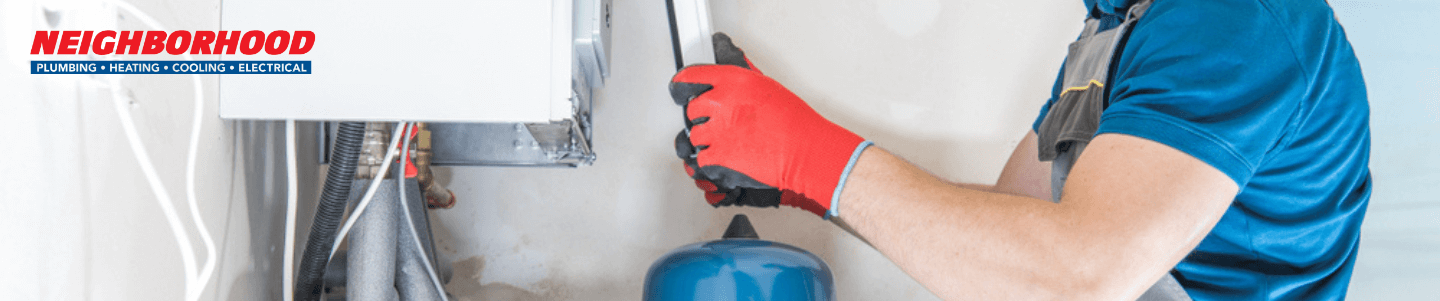
A whistling sound occurs when the furnace pulls or pushes air through a space narrowed by dirt, damage, or mechanical malfunction. The sound may occur at startup, mid-cycle, or continuously. Understanding the cause helps determine whether the issue is harmless or hazardous.
Common Causes of Whistling
A dirty or overly restrictive furnace filter is the most common cause. When airflow to the blower becomes blocked, the motor compensates by pulling harder, creating a high-velocity whistle. Similarly, blocked supply or return vents cause pressure buildup inside the duct system, particularly in tightly sealed modern homes.
Leaky or poorly sealed ductwork can create a long, flute-like whistle as air escapes through gaps. Undersized duct systems — common in older homes retrofitted with high-efficiency equipment — increase static pressure, which magnifies the sound.
Mechanical issues also trigger whistling. A blower motor under strain from worn bearings or electrical wear can whistle or squeal as the shaft spins. Cracked, loose, or misaligned blower wheels can also produce a whistling sound, especially at high speed.
More seriously, whistling near the gas supply line or burner assembly may indicate a gas leak, especially if accompanied by a sulfur or “rotten egg” smell.
Where the Whistling Comes From and What It Means
| Whistling Source | Most Likely Cause | Severity | Action Needed |
|---|---|---|---|
| Filter area | Dirty or restrictive filter | Low | Replace promptly |
| Floor or wall vents | Blocked supply or return vents | Low | Clear vents |
| Ductwork | Leaks, gaps, poor sealing | Moderate | Seal or repair ducts |
| Blower compartment | Strained blower motor or wheel | High | Shut furnace off and schedule service |
| Gas line or burner area | Possible gas leak | Critical | Turn furnace off, leave home, call emergency services |
| Heat pump unit | Refrigerant leak | High | Shut system off and schedule professional inspection |
This table provides a quick reference for homeowners, distinguishing between airflow issues and hazardous conditions.
Is a Whistling Furnace Dangerous?
In many cases, a whistling furnace results from harmless airflow restrictions. But in other situations, the noise signals conditions that can damage equipment or create urgent safety risks. Whistling becomes dangerous when:
- The sound comes from the gas line or is accompanied by a sulfur smell.
- The blower motor is straining, overheating, or operating at abnormal speeds.
- Duct pressure is high enough to cause structural stress, leaks, or uneven heating.
- The furnace repeatedly whistles even after filters and vents are cleared.
Additional risks include carbon monoxide exposure from malfunctioning combustion, overheating components, and premature furnace failure.
The EPA highlights the importance of proper ventilation and combustion safety in preventing indoor air hazards.
When in doubt, shut the furnace off and contact a qualified technician.
When Whistling Indicates a Gas Leak
A steady, sharp hissing or whistling near the gas supply pipe, valve, or burner area may indicate a dangerous gas leak. Natural gas utilities add mercaptan, which produces a distinctive rotten-egg odor. If smell and sound occur together, treat the situation as an emergency. Immediate evacuation and contact with emergency services is necessary to ensure safety.
What to Do Immediately
If you suspect a gas leak:
- Turn off the furnace (if safe to do so).
- Leave the building immediately.
- From a safe location, call your gas company or emergency services.
- Do not operate switches, lights, or appliances.
The Minnesota Department of Commerce provides helpful safety guidance for natural gas–powered heating equipment.
Do not attempt any DIY repairs involving gas lines or ignition components.
When Whistling Comes from Restricted Airflow
Airflow restriction is the most common and least dangerous cause of furnace whistling. A clogged filter, blocked vent, or undersized duct creates excessive static pressure, which increases blower noise and strain.
Over time, high static pressure can:
- Shorten blower motor lifespan
- Increase heating costs
- Reduce comfort due to uneven airflow
- Trigger limit switch trips and shutdowns
- Increase energy costs as the furnace works harder to overcome airflow restrictions
For long-running systems in cold regions, this added strain can push a furnace into early failure. Maintaining unrestricted airflow is essential for efficient heating. The U.S. Department of Energy emphasizes regular filter replacement as one of the most effective maintenance tasks for energy savings.
What to Do if Your Furnace Is Whistling (For Non-Emergency Cases)
- Replace the furnace filter with a clean, properly sized model as a first step in troubleshooting.
- Ensure all supply and return vents are fully open and unblocked.
- Check for visible duct gaps or damaged flexible ducts.
- Listen closely to identify where the whistle originates — filter area, vents, ducts, or furnace cabinet.
- If the whistling persists after airflow checks, shut the furnace off and schedule a professional inspection.
These steps help determine whether the problem is simple airflow restriction or something requiring deeper diagnostic work.
Mechanical Causes of Whistling
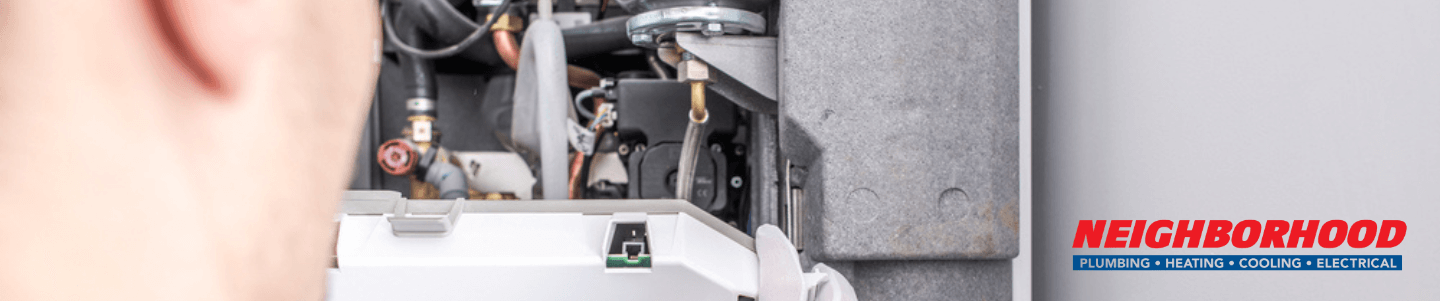
When the furnace’s internal components create the noise, dangers become more likely.
Blower Motor Stress
A blower motor straining to maintain airflow may whistle or squeal. Warning signs include:
- Delayed blower start
- Abrupt speed changes
- Burning or hot electrical smells
- Loud cycling on and off
Operating under strain can cause the motor to overheat, drawing excessive electricity and risking shutdown.
Blower Wheel Issues
A damaged, loose, or imbalanced blower wheel may create a sharp, rhythmic whistle as air passes unevenly through the wheel blades. This can escalate into:
- Cabinet vibration
- Overheating
- Unreliable airflow
- Premature motor failure
Pressure Imbalances
Static pressure should fall within the manufacturer’s recommended range. Undersized or constricted ductwork — common with retrofitted high-efficiency furnaces — can create constant whistling and long-term strain.
Proper duct design is essential for quiet, efficient operation. A professional technician can measure static pressure and identify corrections.
Heat Pump or Dual-Fuel System Whistling
In systems that include a heat pump, whistling may indicate a refrigerant leak, especially during heating mode. Refrigerant leaks can:
- Reduce system performance
- Increase energy consumption
- Damage the compressor
- Pose safety risks
Refrigerant handling requires EPA-certified technicians. If you hear high-pitched whistling near the outdoor unit or refrigerant lines, shut the system down and request professional service.
FAQs About Furnaces Sounds and Noises
Why is My Furnace Blower Making a High-Pitched Sound?
Blower motors whistle when airflow is restricted, bearings are worn, or the wheel is misaligned. High-pitched sounds usually indicate mechanical stress.
Why is My Heating System Making a Whistling Sound?
Most often, airflow blockage, duct leaks, or pressure imbalance. But a whistling sound near the gas line may indicate a hazardous gas leak.
How to Fix a Squeaky or Whistling Furnace?
Start by replacing the filter, opening vents, and checking airflow. Mechanical or gas-related whistling requires professional service.
How to Fix a Whistling Furnace?
Homeowners can resolve airflow issues; technicians must address mechanical, duct, electrical, or gas-related causes.
Professional Diagnosis: What Technicians Look For
When a technician evaluates a whistling furnace, they inspect:
Airflow Pathways
Technicians measure static pressure to determine whether airflow is too restricted. They also test for duct leaks, crushed ducts, or undersized returns.
Blower Motor and Wheel
They check bearings, wheel alignment, speed settings, and electrical load. Worn components often reveal themselves under amperage testing.
Gas Line and Burner Operation
For safety, all gas connections, valves, and burners are leak-tested. Technicians inspect ignition timing to ensure safe combustion.
Heat Exchanger Condition
Undetected cracks can alter airflow and combustion performance, sometimes affecting sound patterns.
Venting and Chimney Draft
Whistling may also result from unusual draft characteristics, especially in older homes.
Refrigerant Circuits (Heat Pumps)
Technicians check for pressure imbalances or refrigerant leaks if the home uses a dual-fuel or hybrid heating system.
Combined, these diagnostics reveal whether the furnace is safe to operate and what repairs are needed.
Preventing Whistling and Ensuring Safe, Reliable Heating
Preventing furnace whistling involves maintaining airflow, ensuring mechanical health, and verifying gas safety. Key long-term strategies include:
- Routine professional maintenance
- Using high-quality filters that match manufacturer specifications
- Sealing ductwork to reduce leakage
- Addressing undersized or poorly designed ducts
- Upgrading aging blower motors or furnace systems
- Ensuring proper combustion venting
For homeowners wanting to improve filtration and reduce airborne contaminants, see our Indoor Air Quality Improvements page.
Keep Your Furnace Safe, Quiet, and Reliable in North Central Minnesota
A whistling furnace may seem minor, but it’s often the first sign of airflow restriction, mechanical failure, or — in rare but critical cases — a gas leak. Don’t wait for the noise to escalate into a breakdown or safety concern.
If your furnace is whistling, unevenly heating, or behaving differently than usual, our experts at Neighborhood Plumbing, Heating, A/C & Electrical can help. We diagnose airflow issues, inspect blower performance, test for leaks, and restore safe, efficient, quiet operation.
Schedule your heating inspection or service through our
Contact Us page.