

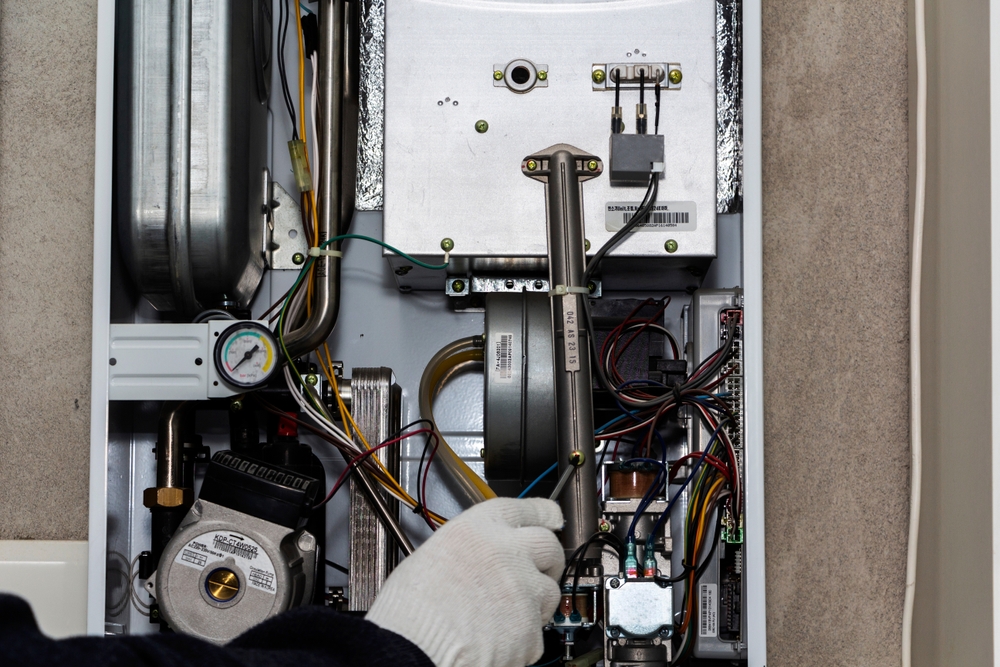
It’s 2 a.m., the house is dropping into the 50s, and your furnace is dead silent except for that annoying blinking light or error code screaming “ignition lockout.” You’re freezing, the kids are piling on blankets, and Google is throwing around scary words like “flame sensor,” “control board,” and “carbon monoxide risk.”
You just want heat—now—not a $900 service call or a week without a furnace in the middle of a Minnesota winter.
Here’s the good news that saves most homeowners hundreds of dollars: In about 80% of ignition lockout cases, you can get your furnace running again tonight in under 20 minutes with nothing more than a screwdriver, a rag, and a 30-second power reset.
In this Minnesota-focused guide, we’re walking you step-by-step through the exact fixes that work on 95% of furnaces here—how to read your error code, clean the flame sensor (the #1 culprit), test the igniter, clear the lockout, and know exactly when it’s time to stop DIYing and call a pro before you turn a simple fix into a dangerous one.
Why Furnaces Enter Ignition Lockout
Modern furnaces use safety controls to prevent unsafe operation. After a set number of failed ignition attempts — often three — the control board forces a lockout to protect the heat exchanger, gas valve, and your home. Common triggers include a dirty flame sensor, weak hot-surface igniter, closed gas valve, restricted airflow, or faulty pressure and limit switches.
- Repeated failed ignition or flame loss
- Blocked intake/exhaust or dirty filter
- Low gas pressure or closed valve
- Faulty flame sensor or igniter
Safety First: What To Do Before Any Reset
Shut off electrical power at the disconnect or breaker and close the gas shutoff if you smell gas. Confirm carbon monoxide (CO) alarms are functional and keep the area ventilated. Review your manufacturer’s manual and label diagram. For household CO safety, see CPSC Carbon Monoxide Safety and the U.S. DOE guide to furnaces.
How To Read Furnace Error Codes
Most control boards flash an LED sequence to indicate faults. A steady light can mean normal, while two or three flashes may indicate pressure switch or ignition problems. Check the legend on the blower door. Document the code before you reset; if the lockout returns, a technician can use the code to diagnose efficiently.
Common Symptoms and Causes at a Glance
| Symptom | Likely Cause | DIY Step | Call a Pro? |
|---|---|---|---|
| Multiple failed starts | Dirty flame sensor | Clean sensor carefully | If lockout persists |
| No glow/spark | Cracked igniter or bad spark | Visual check only | Yes, replace safely |
| Rattling inducer | Inducer or pressure switch | Inspect tubing | Yes, test & replace |
| Lockout in cold snap | Vent or intake blocked | Clear snow/ice | If reoccurs |
Step‑By‑Step: How to Fix Ignition Lockout on a Furnace
Follow these in order. If any step reveals gas odor, frayed wiring, or scorching, stop and contact a professional.
- Cut power using the switch or breaker; wait 60 seconds.
- Verify gas supply: the shutoff valve should be parallel to the pipe; ensure other gas appliances work.
- Replace/seat the air filter: a clogged filter can trip limits and cause failed ignition.
- Inspect intake/exhaust for snow, leaves, or bird nests; clear obstructions carefully.
- Clean the flame sensor: remove the sensor (usually one screw), polish the rod gently with a fine abrasive pad, reinstall snugly without over‑tightening.
- Check the igniter: look for cracks or white spots; never touch the element; replace if damaged.
- Confirm condensate drainage in high‑efficiency units; clear kinks and prime the trap.
- Reset once: restore power, set thermostat to heat, and observe ignition. Do not cycle repeatedly.
What If the Lockout Returns After Reset?
Persistent lockouts point to component failures or unsafe conditions. Likely culprits include weak igniters, contaminated or misaligned flame sensors, failed pressure switches, inducer motor issues, control board faults, or incorrect line pressure. At this stage, professional diagnostics are recommended to avoid damaging the heat exchanger or voiding warranties.
Flame Sensor vs. Igniter: How They Differ
The flame sensor is a steel rod that detects flame presence via microamp current; when dirty, it reports flame loss and triggers lockout. The igniter creates initial combustion (hot‑surface or spark). A failing igniter prevents flame establishment altogether. Cleaning a sensor is common maintenance; igniter replacement requires correct part matching and handling.
Code and Safety Standards You Should Know
Furnaces must be installed and serviced under applicable fuel gas and electrical codes. Review the NFPA 54 National Fuel Gas Code for combustion air and venting guidance and defer to your local authority having jurisdiction for inspections. Always use approved replacement parts and follow manufacturer procedures.
How Minnesota Winters Affect Ignition Lockouts
Upper‑Midwest winters add unique stresses: intake and exhaust terminations can ice over, condensate lines may freeze, and filters load faster during extended run times. Check exterior terminations after storms, and consider a cold‑weather kit recommended by your manufacturer. Schedule preseason maintenance each fall to minimize winter lockouts across Minnesota.
Pro Maintenance That Prevents Lockouts
Annual maintenance includes combustion analysis, flame sensor microamp testing, igniter resistance checks, inducer and blower inspection, pressure switch verification, and firmware updates when applicable. A comprehensive tune‑up also confirms gas pressure, heat exchanger integrity, and drain performance in high‑efficiency models.
When To Repair vs. Replace the Furnace
Consider age, repair frequency, efficiency, safety, and warranty status. If your heat exchanger is compromised or the unit is older than its expected lifespan with frequent lockouts, replacement can be safer and more economical. Efficient two‑stage or modulating systems improve comfort and reduce cycling that contributes to lockouts.
Need Furnace Lockout Help Today?
If your furnace continues to enter ignition lockout after a careful reset, get expert help across Minnesota. Call 800-570-4328 or schedule online for 24-hour, same‑day service.
FAQs
What Causes a Furnace to go into Ignition Lockout?
The control board shuts the furnace down after repeated failed ignition attempts or unsafe readings. Common causes include a dirty flame sensor, weak igniter, low gas pressure, blocked vents, or tripped limit and pressure switches.
How Do I Reset an Ignition Lockout on My Furnace Safely?
Cut electrical power for a minute, verify gas supply, check the filter and vents, clean the flame sensor, then restore power and perform a single reset. If the unit relocks or you smell gas, contact a qualified technician.
Will a Dirty Flame Sensor Cause Ignition Lockout?
Yes. A contaminated sensor cannot verify flame, so the board interprets a flame loss and locks out. Cleaning the rod with a fine abrasive pad often restores operation if the sensor is otherwise sound.
Is It Safe to Keep Resetting a Furnace After a Lockout?
No. Repeated resets can mask unsafe conditions and stress components. If a single reset does not restore normal operation, schedule service to diagnose ignition, sensor, or airflow issues.
Do Minnesota Winters Increase Lockout Problems?
They can. Snow and ice can block intake/exhaust terminations, condensate lines may freeze, and extended runtimes load filters faster, all of which can trigger safety shutdowns. Check terminations after storms and maintain the system.
Should I Replace an Igniter Myself?
Igniters are delicate and model‑specific. Incorrect handling or part selection can cause damage or unsafe ignition. For most homeowners, professional replacement is recommended.
What Maintenance Prevents Ignition Lockouts?
Annual service with combustion checks, sensor microamp testing, igniter resistance, vent inspection, drain verification, and proper filter changes reduces ignition failures and safety lockouts.
Resources
- U.S. Department of Energy — Furnaces & Boilers
- CPSC — Carbon Monoxide Safety Center
- NFPA 54 — National Fuel Gas Code
- EPA — Guide to Indoor Air Quality
This content is for general informational purposes only and is not a substitute for professional, tailored advice. Our services are strictly focused on HVAC Installation and Service within the Minnesota area. This article is not a guarantee of service representation.