


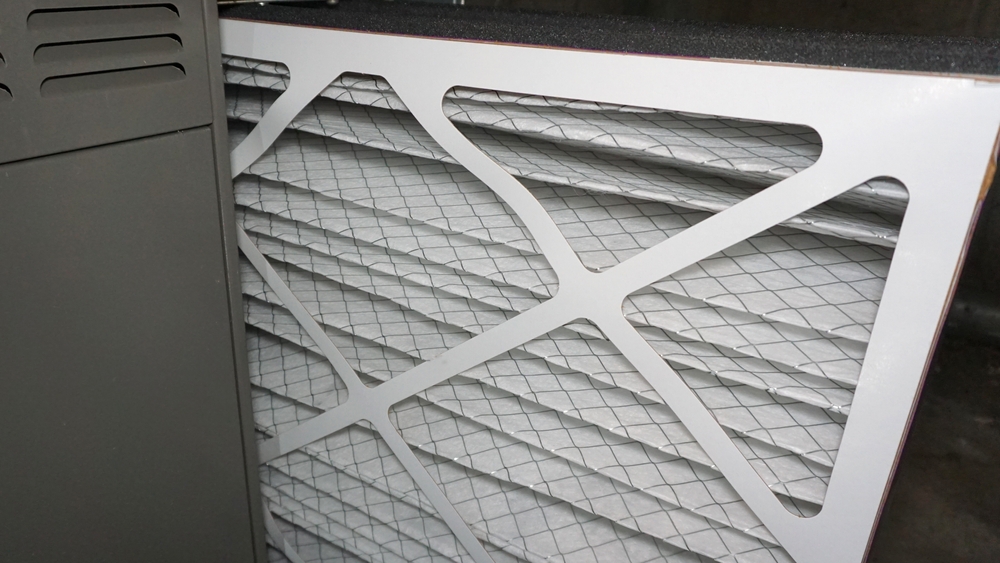
How often should you change a 16x25x1 furnace filter? The answer depends on several real-world variables: dust levels, number of occupants, pets, smoking, furnace runtime, and filter MERV rating. In a typical Minnesota home, most homeowners should replace a 16x25x1 filter every 1–3 months, with busier or higher-particulate homes needing monthly changes and low-dust environments allowing 60–90 days.
Neglecting filter replacement restricts airflow, stresses the blower motor, and can trigger short cycling—leading to higher energy bills and reduced furnace lifespan.
In this article, we’ll cover how MERV rating and runtime affect replacement frequency, signs your filter needs changing, steps to check and replace a 16x25x1 filter, and tips to extend filter life without sacrificing air quality.
How to Tell it’s Time to Change
- Visual inspection:The simplest method is to look at the filter. If it appears dirty, dusty, or has clumps of hair and dust, it’s time for a replacement.
- Noticeable signs:You may also notice a decrease in airflow, higher energy bills, or worsening allergy symptoms in the home.
Factors Influencing Frequency
- Pets: If you have pets, change the filter every 2 months to manage dander and hair.
- Allergies/Asthma: If anyone in the home has allergies or asthma, change the filter every 6 weeks to ensure cleaner air.
- Furnace Usage: You may need to change it more often if the furnace runs frequently.
- General Dust: If there is a lot of dust in the home, the filter will get dirty faster.
- Filter Thickness: Thin filters like a 1-inch model can require more frequent changes than thicker ones.
How Pets, Dust, and Seasons Change the Cadence
Two shedding pets can double the dust and dander load, shrinking safe change intervals. Minnesota winters mean longer furnace runtimes, accelerating filter loading compared with shoulder seasons. Renovations, sanding, or drywall work can clog a filter within days—always replace after dusty projects. If you use a portable air cleaner, you may reduce whole-home filter loading slightly but should still check monthly.
Simple Test: The Flashlight Check
Remove the filter and shine a bright flashlight through the media. If very little light passes or the pleats appear matted with dust, it’s due for replacement. This quick, repeatable check helps fine-tune your 30–90 day schedule to your household’s reality. Note: Always power down the furnace or set the thermostat to ‘Off’ before removing the filter.

Why Consistent Filter Changes Matter
Regularly changing your furnace filter is essential to keep your HVAC system efficient and maintain good indoor air quality. A dirty filter restricts airflow, causing the system to work harder, increasing energy costs, and risking damage to components like the heat exchanger and combustion chamber.
A clogged filter also fails to trap dust, pet dander, mold spores, and other airborne particles, worsening air quality and triggering allergy and asthma symptoms. Following the manufacturer’s guidelines and checking the filter regularly helps ensure timely replacement, preserving filter effectiveness and providing cleaner air throughout your home. Frequent changes are especially important if you have pets, live in dusty areas, or during pollen seasons.
What Does 16x25x1 Actually Mean?
A 16x25x1 furnace filter measures about 16 inches by 25 inches with a 1-inch thickness. Actual sizes can be slightly smaller to fit the return grille or filter rack. Manufacturers sometimes list nominal sizes, so always verify the exact ‘actual’ dimensions on the filter frame. Sticking with the correct size prevents air bypass that can reduce filtration and allow dust to reach coils and blowers.
How MERV Rating Affects Your Change Schedule
Higher MERV ratings trap finer particles, improving indoor air quality, but they also load faster. A MERV-8 filter may last up to 90 days in a clean home, while MERV-11 or MERV-13 often need replacement closer to 30–60 days. Balance air quality goals with equipment performance to avoid excessive static pressure.
MERV vs. Airflow: Avoiding High Static Pressure
A too-restrictive filter can raise static pressure, forcing the blower to work harder. When in doubt, consult your equipment’s maximum external static pressure rating and duct design. Homeowners who want MERV-13 performance might consider deeper media cabinets (e.g., 4-inch) for more surface area. The U.S. DOE: Energy Saver—Heating & Cooling explains how maintenance preserves efficiency.
Filter Quality, Cost, and Value Over Time
Cheap, thin filters may need replacing more often, narrowing the cost advantage. Higher-quality pleated filters often provide more surface area and hold more dust between changes. Choose a reputable brand with published MERV values and clear size labeling. Buying multi-packs reduces per-filter cost and makes it easier to stick to your schedule.
How to Track Your Schedule Without Guesswork
Write the date on the filter frame when you install it and set a calendar reminder. Pair change dates with monthly tasks like testing smoke detectors for consistency. Some smart thermostats and home apps can notify you after runtime hours accumulate. A simple sticker on the furnace door with past dates creates a quick maintenance record for home buyers.
MERV and Replacement Timing Table
| MERV Rating | Typical Change Interval | Use Case |
|---|---|---|
| MERV 6–8 | 60–90 days | Basic dust control; low dust homes |
| MERV 9–11 | 45–60 days | Better allergen capture; most homes |
| MERV 13 | 30–45 days | Fine particles; health-sensitive occupants |
Common Factors That Shorten Filter Life
- Pets or smokers in the home
- Recent renovation or drywall sanding
- High outside pollen or wildfire smoke
- Visible dust on grilles and registers
Tips to Stay on Schedule
- Write the install date on the frame
- Set 30–60–90 day reminders
- Keep spare filters on hand
- Check after storms or construction
When to Consider Professional Help
If filters are clogging abnormally fast, you may have duct leaks pulling in dust from attics or basements. Unusual odors, soot, or short cycling can indicate deeper combustion or airflow problems. Annual professional maintenance helps catch issues like dirty blower wheels or undersized returns. If household health concerns are top of mind, ask about upgrading to media cabinets or HEPA bypass systems.

Ready for Expert HVAC Help?
Need help picking the right filter or setting a change schedule in Minnesota? Call 800-570-4328 or schedule service online with Neighborhood Plumbing, HVAC and Electrical.
Our team focuses on HVAC installation and service across Minnesota homes, prioritizing safe operation and energy efficiency. For technical guidelines, we consulted authoritative resources such as the EPA and ASHRAE. We invite you to contact us to review your system and filtration options.
FAQs
How Do I Know If My Furnace Filter Is Clogged?
Check for reduced airflow, longer heat cycles, and a visibly darkened filter that blocks light. If in doubt, replace—it’s inexpensive protection for your system.
Is MERV 13 Too Restrictive for My System?
It depends on your equipment and duct design. Many systems can handle MERV 13, but verify static pressure and consider deeper media cabinets for better airflow.
Can I Vacuum and Reuse a 16x25x1 Filter?
No. Disposable pleated filters are designed for single use. Vacuuming can damage fibers and does not restore the filter’s original performance.
Do Bigger (Thicker) Filters Last Longer?
Yes. Deeper media filters (e.g., 4 inches) have more surface area, capturing more dust with lower resistance and longer intervals between changes.
How Often Should I Check the Filter During Winter?
Check monthly during peak heating. Extended runtimes in Minnesota winters can load filters faster, especially in homes with pets or high dust.
What If My Filter Size Isn’t Exactly 16x25x1?
Use the exact size specified by the return grille or cabinet. Nominal sizes vary by brand—match the actual dimensions printed on your current filter.
Resources
- EPA: Air Cleaners and Air Filters in the Home
- ASHRAE: Filtration & Disinfection
- ENERGY STAR: HVAC Maintenance
- U.S. DOE: Energy Saver—Heating & Cooling
Further Reading
- Can I Run My Furnace Without a Filter?
- Can a Dirty Furnace Filter Cause No Heat in Your Home?
- Can a Low Battery in a Thermostat Affect Your Furnace?
- Common HVAC Issues in Older Homes & How to Handle Them
This content is for general informational purposes only and is not a substitute for professional, tailored advice. Our services are strictly focused on HVAC Installation and Service within the Minnesota area. This article is not a guarantee of service representation.