

You flip a switch or plug in the space heater and suddenly smell that faint hot-plastic scent, or you notice the lights flicker every time the furnace kicks on. Now you’re wide awake at night, wondering: “How long are these wires and connections actually supposed to last in a house before something melts or catches fire?”
You’ve heard electricians say “forever” and you’ve seen 1970s knob-and-tube houses burn down, so who’s right?
Here’s the straight answer Minnesota homeowners need when it’s –20° outside and the last thing you want is an electrical surprise: A properly installed, modern electrical connection (copper wire + quality terminals) should easily last 50–70 years or more in a dry, heated home—but the connections themselves (outlets, switches, wire nuts, backstabs, and splices) start failing as early as 15–30 years because of heat cycles, corrosion from our humid summers, and good old Minnesota road salt tracked indoors.
In this guide, we’re breaking down exactly how long every type of connection actually lasts, the sneaky warning signs that yours are on the way out (warm outlets, flickering lights, tripped breakers), and the dirt-cheap upgrades electricians do in one afternoon that push your wiring safely past the 70-year mark—no full rewire required.
Factors Affecting Lifespan
- Materials:The type of wiring matters. Copper lasts longer than aluminum wiring, and both can outlast older materials like cloth sheathing, which becomes brittle over time.
- Installation Quality:A poorly installed system, including bad connections, can fail much sooner than one installed by a professional.
- Environmental Factors:Exposure to high heat, moisture, or physical damage can shorten the life of electrical wiring significantly.
- Load Demands:Older wiring was not built to handle the power demands of modern appliances, leading to overheating and faster degradation.
What Determines Electrical Connection Lifespan
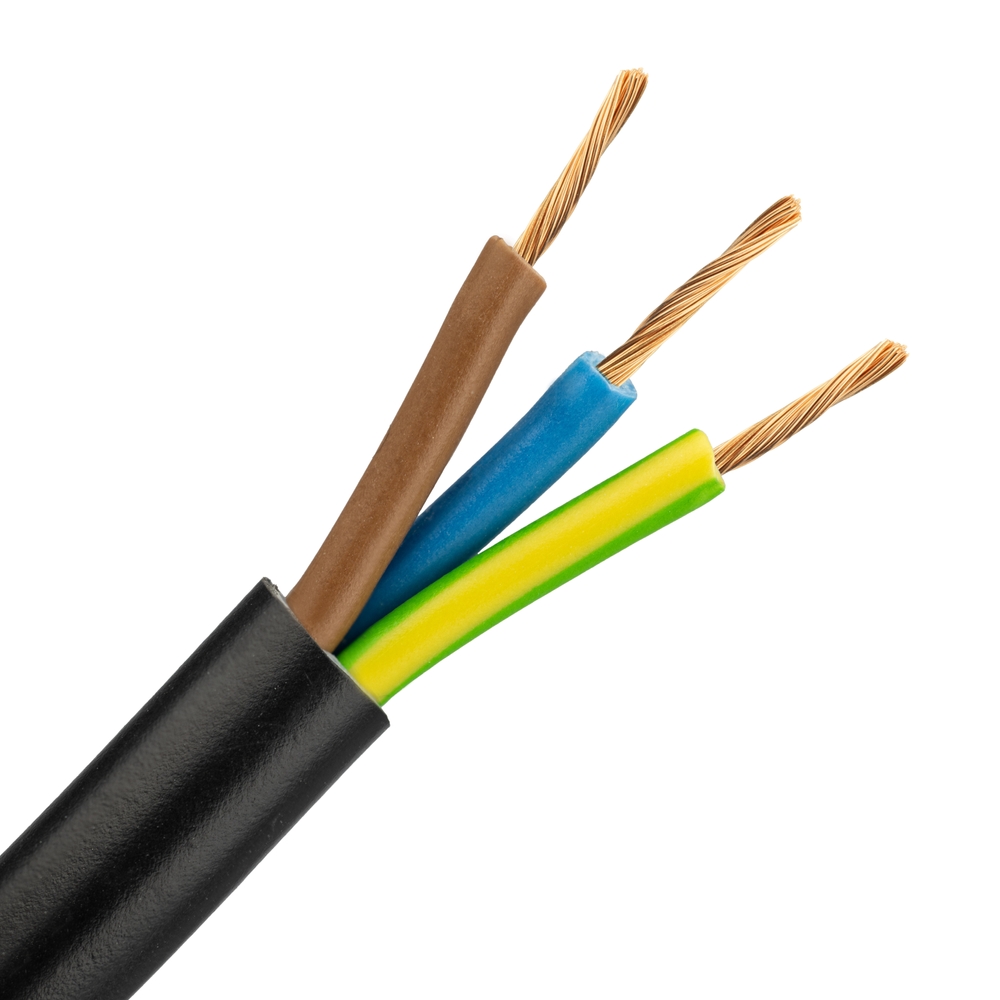
Lifespan arises from a mix of design, workmanship, operating temperature, and environment. A properly stripped conductor under a listed terminal at the specified torque resists loosening and oxidation. Enclosures that shed water and isolate vibration further extend life. Conversely, tight bends, nicked strands, and improper connector types introduce hotspots that accelerate aging.
| Connection Type | Typical Lifespan (Well‑Installed) | Major Risks |
|---|---|---|
| Copper Wire + Screw Terminal | 20–40 years | Thermal cycling, loose torque, oxidation |
| Aluminum Wire + AL/CU Rated Lug | 15–30 years | Creep, corrosion, under‑torque |
| WAGO/Lever Connector (Listed) | 20–35 years | Improper strip length, moisture |
| Twist‑On Wire Connector (Listed) | 20–30 years | Poor twist engagement, overheating |
| HVAC LRA/Compressor Lugs | 10–20 years | High inrush current, vibration |

Signs of a Failing Connection
Flickering or dimming lights, Frequently tripped circuit breakers, Outlets or switches that are hot to the touch, Sparks or a burning smell, and Frayed or exposed wires.
How Heat Cycling and Vibration Wear Connections
Every current cycle warms a joint; cooling follows when load drops. This expansion and contraction relaxes pressure at the interface, particularly with aluminum conductors. HVAC compressors add vibration during starts and stops. Without strain relief, even good connections can drift out of spec over time and begin to arc under load.
Why Moisture and Corrosion Shorten Service Life
Moisture enables corrosion films that raise contact resistance, creating heat at normal current levels. Outdoor disconnects, attic junction boxes, and crawlspaces are vulnerable to condensation. Gasketing, weep holes, and dielectric greases (when specified) mitigate risk. If a termination shows green or white oxidation, plan corrective action.
How Load and Overcurrent Impact Reliability
Sustained loads near circuit capacity elevate temperatures and reduce margin for loose terminations. Appliances with high inrush currents stress compressor or motor lugs. Breakers trip not only on faults but also because weak connections run hot. Right‑sizing circuits and balancing phases protect both devices and wiring.
Where Electrical Connections Fail in HVAC Systems
HVAC failures often trace to contactors, disconnect lugs, and splices at air handlers or condensers. Loose lugs scorch insulation, while deteriorated wire nuts inside warm equipment compartments can embrittle over time. Fan motors and heat strips impose recurring thermal swings, highlighting marginal connections quickly.
When to Inspect and Re‑Torque Connections
Panels, disconnects, and large appliances deserve routine checks. Use infrared scanning to find hot spots, then verify torque with calibrated tools when de‑energized. For newly landed aluminum, follow manufacturer guidance on re‑torque intervals after initial heat cycles. Document values to spot drift and plan preventive maintenance.
Which Materials and Connectors Last the Longest
Copper with listed screw terminals remains a durable standard. Aluminum can perform well in AL/CU‑rated lugs when prepared correctly. Lever‑style listed connectors provide consistent clamping when used within specification. Twist‑on wire connectors work reliably when conductors are aligned and the cap fully engages.
How to Extend a Good Electrical Connection’s Life
Select connectors by conductor metal, strand class, temperature rating, and AWG. Observe strip gauges, avoid over‑tightening, and maintain dry, ventilated enclosures. Strain‑relieve flexible cords and isolate vibration with proper supports. Where permitted, use anti‑oxidant for aluminum if the device calls for it.
Best‑Practice Checklist
- Use listed connectors matched to conductor type (CU/AL) and size (AWG).
- Follow manufacturer torque specs; re‑torque after initial heat cycling if specified.
- Keep enclosures dry, sealed, and strain‑relieved to reduce vibration.
- Match circuit ampacity to load; avoid continuous overloads.
What Warning Signs Mean Replace, Not Repair
Replace if copper has turned dark and brittle near the joint, insulation is cooked, or terminal plastics are discolored. Any arcing marks, melted caps, or recurring heat under normal load indicate end‑of‑life. If a lug bottoms out before reaching torque, the conductor strands may have crept—land anew or replace components.
Warning Signs You Shouldn’t Ignore
- Recurring breaker trips or dimming lights during HVAC starts.
- Warm cover plates, buzzing outlets, or the smell of hot plastic.
- Discolored insulation, nicked conductors, or melted wire nuts.
- Corrosion in outdoor disconnects or condensation in boxes.
How Minnesota’s Climate Affects Outdoor Connections
Minnesota winters drive condensation cycles in outdoor boxes and summer humidity challenges attic connections. UV exposure also ages plastics. Use NEMA‑rated enclosures, weather‑tight fittings, and cold‑rated cables. Check heat‑pump disconnects after severe cold snaps and spring thaws.
How Codes and Listings Protect Your Home
Electrical products listed by NRTL (nationally recognized testing laboratories) are tested for heat rise, pullout force, and endurance. Using listed devices within their ratings improves the longevity of every electrical connection. Consult your local authority having jurisdiction for permit requirements.
How to Document Electrical Maintenance
Keep a dated log of inspections, torque values, replaced parts, and photos of any heat damage. Documentation helps track performance trends and proves due diligence if equipment warranties are involved. Good records are especially valuable for outdoor HVAC disconnects exposed to Minnesota weather.
What Tools Support Long‑Lasting Connections
Use torque screwdrivers, ferrule crimpers for fine‑strand conductors where permitted, infrared cameras for hot‑spot checks, and dielectric cleaners to remove residue before landing wires. Always follow manufacturer instructions and turn off power before servicing.

When to Consider Replacement
- If your home was built before 1978, it’s a good time to have the wiring inspected, as it may be outdated and not meet modern safety standards.
- If you have any of the signs of a failing connection, contact a qualified electrician immediately.
When to Call a Licensed Electrician
If you observe heat damage, repeated breaker trips, or irregular equipment starts, consult a licensed electrician. Some tasks require permits and inspections. Professional testing—load measurements, thermal imaging, and torque verification—prevents repeat failures and ensures compliance.
Get Help From a Local Pro
Need an inspection or connection repair? Our team services homes across north central Minnesota. Call 800-570-4328 or request service online today.
Resources
- OSHA Electrical Safety Overview
- NIST Reliability Terms & Concepts
- ENERGY STAR HVAC Guidance
- NFPA Electrical Codes & Standards
- Minnesota Dept. Labor and Industry – Electrical
This content is for general informational purposes only and is not a substitute for professional, tailored advice. Our services are strictly focused on HVAC Installation and Service within the Minnesota area. This article is not a guarantee of service representation.