

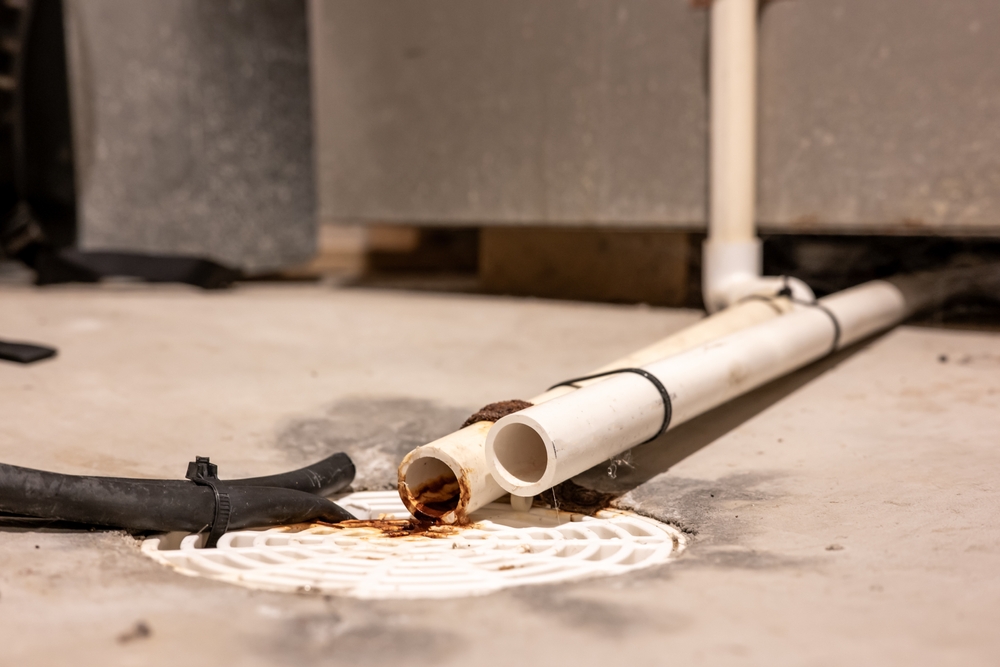
Are you wondering; why is my furnace leaking water when the heat is on?
This is one of the most common and critical service calls in winter, and it requires immediate attention due to the high risk of water damage, electrical hazards, and system failure. Understanding the source of the leak—which is usually related to water management—is the first step toward a safe and lasting repair.
The short answer is that most water leaks in winter come from a clogged condensate drain, a failed condensate pump, or a compromised vent pipe. This is almost exclusively a problem of high-efficiency furnaces, which are designed to create gallons of acidic condensate water that must be managed by the system.
IMMEDIATE ACTION: Turn off the power to your furnace at the nearby switch. Mop up all standing water immediately to protect the control board and prevent electrical shock. Do not run the furnace again until the cause is identified and fixed.
Need fast help in Minnesota? Call 800-570-4328 or book service—our local HVAC techs can diagnose leaks, protect your equipment, and restore safe heat.
Step 1: Condensing Furnace vs. Standard Furnace — Identifying the Source
A high-efficiency (condensing) furnace is designed to produce water, while a standard-efficiency furnace is not. Correct diagnosis hinges on knowing your system type, which you can determine by inspecting the exhaust flue.
| Furnace Type | AFUE Rating | Primary Leak Source | Tell-Tale Sign |
|---|---|---|---|
| High-Efficiency (Condensing) | 90% or higher | Clogged Condensate Drain, Failed Pump, Venting Issues, or Secondary Heat Exchanger Clog. | Plastic (PVC/CPVC) exhaust pipes leaving the furnace. |
| Standard-Efficiency (Non-Condensing) | ~80% or lower | Clogged AC Evaporator Coil Drain, Humidifier Leak, or External Leak (roof/flue). | Metal exhaust flue (usually B-vent or masonry chimney). |
If your furnace vents using white or grey PVC/CPVC pipes, your focus must be on the complex condensate removal system. If you see metal venting, the water is coming from a component sharing the cabinet, not the heat cycle itself.
Step 2: Deep Dive into High-Efficiency Leak Sources
In condensing furnaces, the leak is almost always related to a breakdown in the condensate management system. Water collects in the secondary heat exchanger, flows into a collector box, through a P-trap, and then drains by gravity or pump. The failure of any single part of this path leads to overflow.
Cause 1: Clogged Condensate Drain Line or Trap Failure
This is the most frequent culprit, often caused by dirt, rust sediment, and biofilm (algae) growth. The P-trap is particularly prone to clogging because it is designed to hold water to prevent combustion gases from escaping through the drain pipe while the furnace is running.
- Symptom: Water spills over the collector pan and onto the furnace base. You may hear a distinct gurgling or bubbling sound from the drain just before the overflow. This often triggers the pressure switch, causing the furnace to lock out with an error code like “E-14” or a flashing light sequence.
- DIY Protocol: Power off the unit. Use a small, clean wire brush or a solution of 1 part household bleach to 4 parts warm water (or plain white vinegar) to gently flush the line. Do not use high-pressure air or harsh chemical drain openers, as these can damage the plastic components or crack the heat exchanger assembly. The trap must be re-primed with clean water after cleaning to maintain the gas seal.
- The pH Factor: Condensate is mildly acidic (pH 2.9 to 4.0). Over time, this acidic water will corrode standard metal fittings or lead to rapid biofilm growth if not flushed regularly. Some systems use a neutralizer filter (containing limestone chips) to protect the drain, which also needs annual inspection and media replacement.
Cause 2: Condensate Pump Failure and Troubleshooting
If the furnace is in a basement and the drain line must travel uphill or horizontally over a distance, it relies on a condensate pump. Pumps fail due to electrical issues, sludge build-up, or mechanical component failure.
- Symptom: The pump’s reservoir is full to the point of overflowing, but the pump is silent, or it hums and vibrates without discharging water. The safety float switch (the second, higher float in the reservoir) has likely engaged, shutting the furnace off to prevent water damage.
- Detailed Diagnosis: Power off the unit. Check the pump’s power supply and verify the float switch’s freedom of movement. Sludge can lock the check valve, which prevents water from leaving the pump even when the motor runs. Test the outlet and the discharge line for external blockage (e.g., ice at the end of the discharge tube outdoors).
- Lifespan and Replacement: Condensate pumps typically last 5–10 years. If the pump is near the end of its projected life and has failed, professional replacement is the safest course to ensure the secondary safety switch is wired correctly to the furnace controls.
Cause 3: Venting Issues and Cold-Climate Complications
The PVC exhaust vent is the furthest point of the condensate system and is highly susceptible to extreme temperatures and external factors, especially in Minnesota winters.
- Improper Pitch/Sagging: The vent pipe must have a continuous, slight downward pitch (slope) back toward the furnace (minimum of 1/4 inch per linear foot of horizontal run). If the pipe sags, water collects, freezes, and creates a blockage that triggers the pressure safety switch.
- External Blockage/Icing: Heavy wind, snow, or excessive ice formation at the exterior termination cap can block the vent. This triggers a high-wind lockout or pressure error because the combustion air cannot flow correctly. This is particularly dangerous as it relates directly to the combustion process.
- Fix: This requires professional service. A technician will correct the slope using appropriate hanger strapping and inspect the vent terminal outside for manufacturer compliance. If the termination is prone to recurring icing, a professional may recommend minor relocation or a specific cold-weather vent cap.
Step 3: Advanced Diagnosis for Standard (Non-Condensing) Furnaces
If your furnace vents through a metal flue, the water is not condensate. The source is either an auxiliary component or an external leak that requires careful tracing.
- AC Evaporator Coil Leak (The Sneak Attack): The A-coil (for central air) sits above the furnace. Although the AC isn’t running, when the furnace heats the plenum, air humidity can condense on the cold refrigerant lines or the coil itself. If its primary or secondary drain pan is clogged or cracked, this water can spill into the furnace cabinet during the heating cycle.
- Humidifier Malfunction: An attached whole-house humidifier may have a cracked water panel, a stuck solenoid valve (allowing continuous water flow), or a clogged drain tube. Check the valve and the water line leading to the humidifier for continuous dripping when the unit is off.
- External Leak Tracing: Water may be entering the cabinet from outside the HVAC system. This could be due to a roof leak, damaged chimney flashing, or pipe leaks above the furnace room. Use a high-powered flashlight to trace water stains or rust trails from the top of the cabinet or plenum downwards to isolate the true source.
Step 4: Comprehensive DIY Action Plan (Materials and Safety)
Follow these numbered steps strictly to attempt a fix for a clogged condensate line. Have a wet/dry vacuum (1-2 gallon is sufficient) and cleaning solution ready.
- Safety Shutdown: Turn off power at the dedicated furnace switch. Place dry towels/paper towels around the base.
- Locate and Prepare: Identify the clear vinyl drain line and the condensate P-trap. Have your vinegar/bleach solution ready.
- Disassembly and Cleaning: Disconnect the drain line at the collector box and trap. Use a funnel to pour the cleaning solution slowly through the line to dissolve biofilm. Let it sit for 5 minutes.
- Vacuum Protocol: Attach the wet/dry vacuum hose to the outside discharge point of the condensate line (where it empties into a utility sink or floor drain) to suction out the blockage. This creates negative pressure that safely pulls the debris out.
- Reassembly and Priming: Reinstall the tubing, ensuring all joints are secure. Fill the P-trap with clean water to establish the gas seal.
- Post-Fix Monitoring: Restore power and set the thermostat to call for heat. Monitor the drainage system. If the furnace cycles fully without water overflow, place a dry paper towel beneath the cabinet and check it after the next two heat cycles.
CRITICAL SAFETY WARNING: Carbon Monoxide (CO) Risk
If your furnace is leaking due to a blocked vent pipe or a clogged secondary heat exchanger, exhaust gases (which include deadly Carbon Monoxide) may not be venting properly. Do not attempt to run the furnace if you smell exhaust, see soot, or experience headaches, nausea, or dizziness. Shut the unit down, ventilate your home, and call for emergency professional service immediately.
Step 5: When to Call a Professional — Advanced Diagnostics and Home Insurance
If the leak persists, the problem is beyond simple maintenance. Professional technicians rely on specific tools and knowledge to diagnose component failures and systemic airflow issues.
| Diagnostic Procedure | Technical Explanation | Potential Problem Indicated |
|---|---|---|
| Pressure Switch Check | Measures the differential pressure across the inducer motor to verify that the vent and drain lines are clear and that the flue is not blocked by ice or water. | Clogged vent pipe, failed inducer motor, or obstructed drain trap. |
| Combustion Analysis | Uses a combustion analyzer probe to measure flue gas components (O₂, CO, CO₂). Used to detect if a secondary heat exchanger is cracked or blocked, which can lead to moisture migration into the exhaust air. | Dangerous secondary heat exchanger failure or CO leakage. |
| Static Pressure Test | Measures Total External Static Pressure (TESP). High pressure forces condensation to form in unintended areas (like the plenum) due to incorrect airflow over the coils. | Improper duct sizing, overly restrictive filter, or closed dampers. |
| Condensate pH Testing | Verifies the acidity of the condensate. Abnormal pH levels can indicate a combustion issue, an issue with the neutralizer, or corrosion risk to internal components. | Systemic combustion issue or failure of neutralization components. |
Home Insurance and Water Damage: What You Need to Know
Most home insurance policies distinguish between “sudden and accidental” damage (often covered) and “gradual seepage or negligence” (usually not covered). A sudden failure of a check valve, float switch, or condensate pump may be covered. However, damage caused by a slow, gradual leak from a preventable clog (like biofilm in the drain line) is typically denied.
If filing a claim, ensure your HVAC professional’s invoice clearly documents the failure as a component breakdown (e.g., “Condensate pump electrical failure”) rather than a lack of maintenance (e.g., “Clogged drain line”).
Preventive Maintenance and Cold-Climate Protection
Annual maintenance flushes traps, tests pumps, and confirms vent pitch—all crucial steps that prevent leaks. In cold climates, special attention is required for line insulation and proper outdoor termination management.
- Annual Service: Schedule heating maintenance to flush traps, remove algae, and test pump function before the heating season begins. Request that your technician check the condition of the neutralizer media.
- Cold-Climate Insulation: In Minnesota, any drain line sections that run through unconditioned crawlspaces, rim joists, or near exterior walls should be protected with closed-cell foam insulation (Armaflex or similar). This prevents small amounts of water from freezing inside the line, which initiates a large, system-blocking clog.
- Termination Management: The outdoor PVC termination must be kept clear of wind-driven snow, ice build-up, and condensation overflow ridges. Keep the area around the vent termination clear to avoid a high-wind lockout condition.
- Filter Discipline: Changing filters monthly preserves airflow and prevents system stresses that can contribute to drainage issues.
Schedule Leak Diagnosis & Repair
If your furnace keeps leaking after basic checks, get a certified HVAC technician on site. Call 800-570-4328 or book online for fast, local service across Minnesota. We’ll protect your equipment, your home, and your heat.
Our licensed HVAC team focuses on heating, cooling, and indoor comfort systems. This guide references best‑practice resources from government and industry sources linked below. Have questions about your specific system? Contact us to discuss your options.
Furnace Leak FAQs
Why would a furnace leak water only when heating?
Condensing furnaces produce water as they extract more heat from exhaust. If the trap or drain clogs during heating cycles, the water overflows. Non‑condensing models can leak if an attached humidifier or AC coil pan spills.
Is it safe to run a furnace that is leaking water?
No. Water can damage controls and create shock risk. Shut the system off, clean up water, and schedule service—especially if leaks recur or you notice exhaust odors.
How do I unclog a furnace condensate drain?
Power off, remove the drain tube, and flush with warm water. Clear algae with a small brush and reinstall the tube without kinks. If a pump is present and won’t run, it may need replacement.
Could a clogged air filter cause furnace leaks?
Indirectly. A severely restricted filter can cause coil icing or poor combustion, which may lead to overflow or venting issues. Replace filters on schedule to maintain airflow.
What does a failed condensate pump sound like?
Often silent or intermittently humming without pumping. A stuck float can also keep the reservoir from emptying. Test the outlet and consider replacing the unit if it no longer evacuates water.
Do I need a trap on my condensate line?
Yes. A P‑trap prevents air from being pulled through the drain and is required by manufacturers. An unprimed or cracked trap is a common source of leaks and gurgling.
When should I call a professional for a furnace leak?
If water returns after basic cleaning, if you see water inside the cabinet, if the PVC vent holds water, or if the furnace locks out with error codes, contact a licensed HVAC technician.
Resources
- U.S. Department of Energy — Furnaces & Boilers
- EPA — Maintaining Your HVAC System
- CDC — Carbon Monoxide Safety Basics
- Minnesota Mechanical Code (DLI)
Further Reading
- 5 Reasons Your Furnace Keeps Turning Off and On
- Gas vs. Electric Furnaces: Everything You Need to Know
- Why You Need A Fall Heating Tune-Up
This content is for general informational purposes only and is not a substitute for professional, tailored advice. Our services are strictly focused on HVAC Installation and Service within the Minnesota area. This article is not a guarantee of service representation.