

How to Tell If a Furnace Fuse Is Blown (Homeowner Guide)
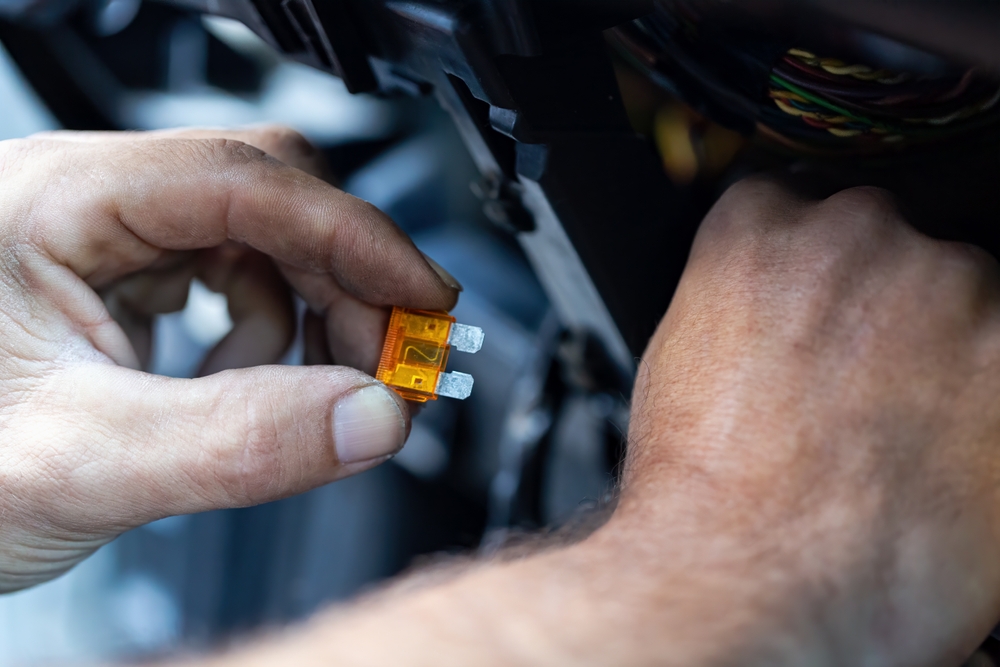
A furnace that suddenly stops running can be frustrating—especially when the thermostat is calling for heat but nothing happens. One of the most common causes of a completely unresponsive furnace is a blown fuse. The fuse protects the furnace’s low-voltage electrical components, and when a failure occurs, the system shuts down to prevent further damage. […]
How to Convert a Natural Gas Furnace to Propane

Homeowners who live in areas without natural gas service often consider switching their heating system to propane. While it is possible to convert many natural gas furnaces to propane, the process is complex, technical, and requires licensed expertise. Propane operates at a higher pressure and contains far more energy per cubic foot than natural gas. […]
Can a Heat Pump Replace a Furnace?
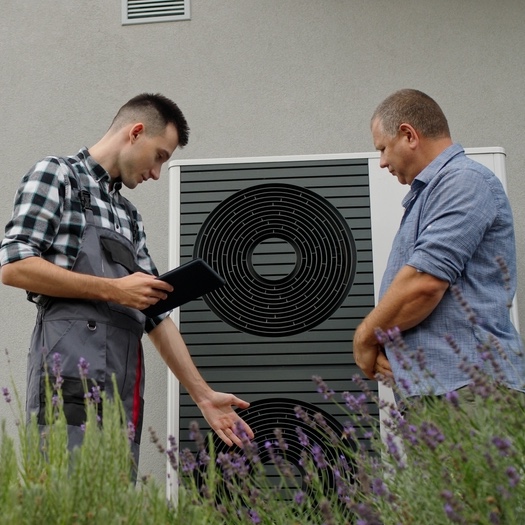
Homeowners across the country are increasingly exploring alternatives to traditional heating systems, and one of the most common questions is: Can a heat pump replace a furnace? The short answer is yes—a heat pump can replace a furnace in many homes, especially in moderate climates. However, in colder regions, a heat pump may need support […]
What is the Difference Between a Boiler and a Furnace?
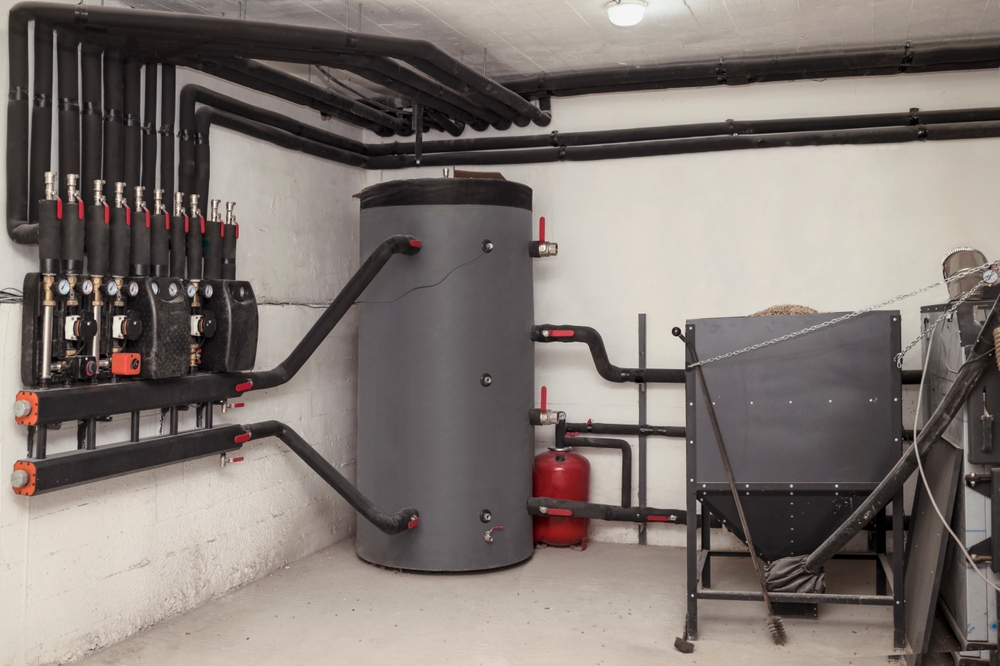
When homeowners compare heating systems, one of the most common questions is: “What is the difference between a boiler and a furnace?” Although both appliances heat a home, they operate in fundamentally different ways. A boiler heats water or creates steam to provide radiant heat through pipes, radiators, or baseboard heaters. A furnace heats air, […]
Is Furnace Short Cycling Dangerous?
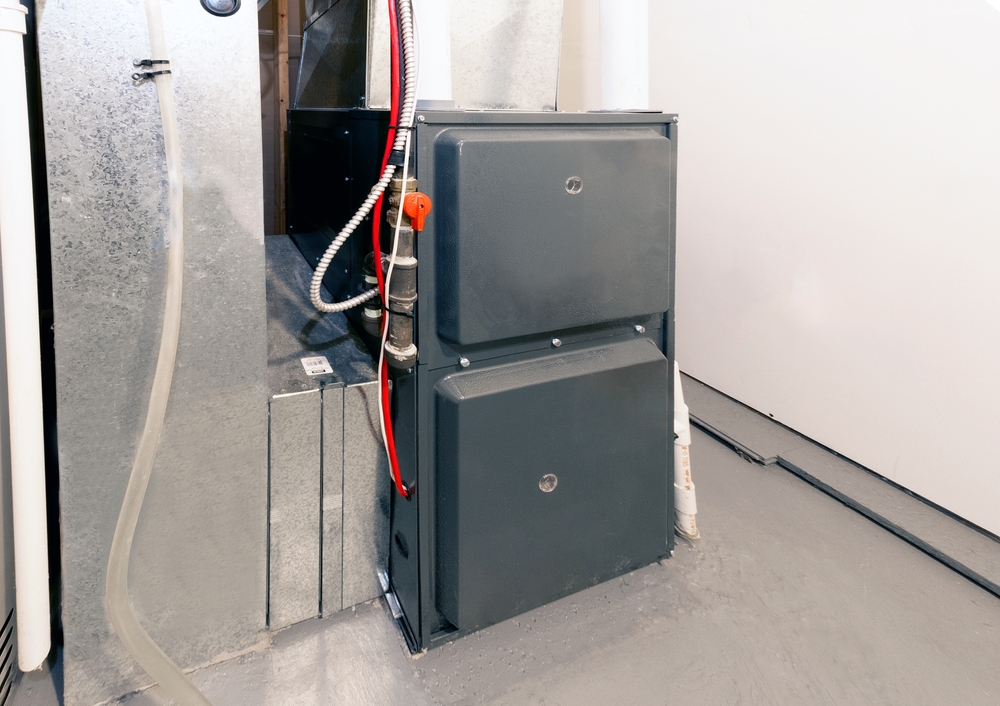
Furnace short cycling—when a furnace turns on and off repeatedly without completing a full heating cycle—is one of the most common heating problems homeowners experience. While it may seem like a minor annoyance, the truth is that short cycling can be dangerous, especially if it results from overheating, a cracked heat exchanger, or malfunctioning safety […]
Where Is the Reset Button on a Furnace?

When a furnace shuts down unexpectedly or blows cold air, most homeowners look for one thing first—the reset button. This small, often red or yellow button is a safety device designed to shut the furnace off when conditions become unsafe. Pressing it can temporarily restore heat, but only if the underlying issue is minor and […]
Is a Clicking Furnace Dangerous?

A furnace typically produces gentle, consistent sounds—airflow from the blower, the low hum of operation—but clicking is different. A single click at startup is generally normal, while continuous clicking is often a warning signal. If you’re a homeowner asking, “Is a clicking furnace dangerous?” Yes, a constant or unusual clicking furnace can be dangerous, as […]
What Is a Heat Exchanger in a Furnace? Complete Guide for Homeowners

A furnace depends on one component more than any other to deliver safe, clean, comfortable heat: the heat exchanger. Even though it’s hidden inside the furnace cabinet, its performance directly affects the efficiency, safety, and overall lifespan of your heating system. For homeowners, especially in colder regions where furnaces run hard through winter, understanding what […]
Is a Whistling Furnace Dangerous? What Homeowners Need to Know

A furnace should never produce a sharp, high-pitched whistle. When it does, homeowners often wonder, “Is a whistling furnace dangerous?” The quick answer is Yes, a whistling furnace can be dangerous because it can indicate a gas leak, which poses risks of carbon monoxide poisoning, fire, and explosion. A whistling sound can also signal other […]
Does a Gas Furnace Use Electricity? What Homeowners Should Know

Most homeowners think of gas furnaces as “gas-powered machines” — and while natural gas or propane is what creates the heat, that’s only half the story. Here’s the quick answer: Yes, a gas furnace uses electricity to operate essential components like the blower motor, electronic ignition system, and thermostat. While the gas is the primary […]