

If you’ve just been told your furnace has a cracked heat exchanger, it’s a stressful moment—especially in the middle of a Minnesota winter. You may be tempted to keep it running “just for tonight,” or wonder whether the risk is really that serious.
Here’s the bottom-line answer: no, you should not run a furnace with a cracked heat exchanger.
A crack can allow combustion gases—including carbon monoxide—to leak into your home, turning a heat issue into a genuine safety hazard.
In this post, we’ll explain why a cracked heat exchanger is dangerous, what to do immediately, and the safe steps to take for inspection, repair, or replacement.

What Is a Heat Exchanger and Why It Cracks
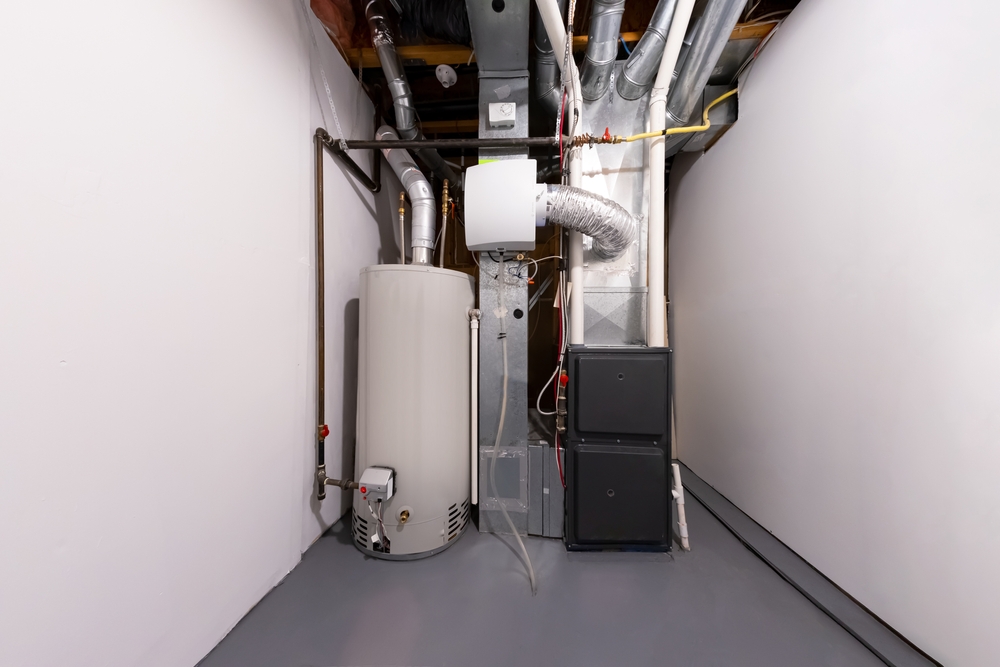
A heat exchanger is the sealed metal chamber that separates combustion gases from the indoor air stream. Over time, thermal expansion, corrosion, and manufacturing fatigue can cause stress fractures. When a crack forms, combustion byproducts can mix with your home’s air. That is why experts say you cannot safely run a furnace with a cracked heat exchanger—there is no acceptable level of leakage. Cold climates and frequent cycling increase stress, accelerating wear.
Warning Signs of a Cracked Heat Exchanger
Common indicators include sooty deposits, chemical or metallic odors, visible rust lines, and flame behavior that changes when the blower starts. Household symptoms—headaches, dizziness, nausea—can align with carbon monoxide exposure.
If you wonder, “Can you run a furnace with a cracked heat exchanger?” these warning signs mean you should not. Rely on detectors, but never treat them as permission to keep running the system. Any suspected crack warrants powering down the furnace immediately.
| Symptom | What It May Mean | Recommended Action |
|---|---|---|
| Soot inside furnace cabinet | Incomplete combustion; possible exchanger damage | Power down, call licensed HVAC |
| Yellow/orange burner flames | Poor combustion or draft issues | Shut off gas, schedule diagnostic |
| Metallic rattling when blower starts | Exchanger or housing stress | Do not run; arrange inspection |
| CO alarm activations | Potential flue gas leakage | Evacuate and contact professionals |
How Technicians Confirm a Crack Safely
Licensed technicians use non-invasive cameras, mirror-and-light testing, and combustion analysis to confirm a breach. They may perform a pressure test or isolate the blower to see if flame disturbance occurs. Direct proof—such as light passing through a seam—confirms a cracked heat exchanger. Until verified safe, do not run a furnace with a cracked heat exchanger; even brief operation can worsen damage. Documentation supports warranty or insurance claims.
Health Risks: Carbon Monoxide and Combustion Byproducts
Combustion gases may contain carbon monoxide (CO), nitrogen dioxide, and other irritants. The EPA and CDC warn that CO is colorless, odorless, and potentially fatal, particularly in enclosed spaces. Running a furnace with a cracked heat exchanger can elevate indoor CO quickly. Install and maintain CO alarms on every level, and replace batteries twice yearly. If an alarm sounds, leave the home and seek professional help before re-entry.
- Shut the furnace off immediately.
- Ventilate the area if conditions permit.
- Call a licensed HVAC technician for inspection.
Repair vs. Replace: How to Decide
Depending on age and condition, limited repairs might be possible, but many manufacturers recommend replacing the heat exchanger or entire furnace. If the furnace is older or inefficient, a full replacement can improve safety and energy costs.
Before deciding, compare parts availability, labor estimates, and warranty coverage. Because you cannot safely run a furnace with a cracked heat exchanger, plan for expedited service. Request a written estimate that outlines scope, parts, and timelines.
Warranty, Code, and Insurance Considerations
Heating equipment must comply with manufacturer instructions and local code. Operating a known hazardous appliance could jeopardize coverage or claims. Warranties often exclude damage from continued operation after a defect is identified. Document communications and keep inspection reports to support any warranty or homeowner insurance discussions. Ask your contractor to note the safety shutdown in writing.
Costs and Timelines Homeowners Can Expect
Inspection visits typically happen the same or next business day during the heating season. Replacement heat exchangers can take several days depending on brand and model, while full furnace replacements are often completed within a day.
Budget ranges vary by market; prioritize safety over short-term comfort. Short cycling a damaged unit risks additional failures and higher costs. Plan temporary heating solutions that do not involve the compromised furnace.
How to Stay Safe Until a Technician Arrives
Turn the system off at the thermostat and, if safe, at the disconnect. Ventilate the home by opening windows and doors if temperatures and conditions allow. Do not relight pilots or reset lockouts to force the unit on. Keep people and pets away from the mechanical area. Call a licensed HVAC contractor and clearly state you suspect a cracked heat exchanger.
Bottom line: you cannot safely run a furnace with a cracked heat exchanger. Shut it down and arrange a licensed inspection to protect your home and health.
Safety matters: do not run a furnace with a cracked heat exchanger. Safety matters: do not run a furnace with a cracked heat exchanger. Safety matters: do not run a furnace with a cracked heat exchanger.
Prevention: Maintenance That Reduces Heat Exchanger Failures
Annual maintenance helps prevent overheating, restricted airflow, and corrosion that lead to cracks. Replace air filters regularly, keep supply and return vents unblocked, and ensure proper combustion air. Technicians check flame characteristics, temperature rise, and venting to maintain safe operation. They also verify that CO detectors function correctly. These steps reduce the odds you will ever face the question of running a furnace with a cracked heat exchanger.
- Replace filters on schedule to prevent overheating.
- Schedule annual HVAC maintenance.
- Install and test CO detectors on every level.
Choosing a Qualified HVAC Contractor
Choose licensed, insured contractors who provide clear, itemized estimates and follow manufacturer procedures. Ask about training for sealed-combustion systems and camera-based inspections. A credible contractor will never advise running a furnace with a cracked heat exchanger. They will document findings, secure the appliance, and offer safe repair or replacement options. Prioritize providers with strong community reviews and transparent pricing.
Need fast furnace help in Minnesota? Call 800-570-4328 for licensed hvac installation and service—safety-first diagnostics and same-day solutions where available.
Resources
- U.S. DOE: Home Heating Safety & Efficiency
- EPA: Carbon Monoxide Information
- CDC: Carbon Monoxide Poisoning Basics
- NFPA: Heating Safety Tips
Further Reading
- How To Fix And Repair The Most Common Water Heater Problems
- 6 Qualities to Look for in an HVAC Contractor
- Winter Weather and Indoor Air Quality
- Why You Need A Fall Heating Tune-Up
This content is for general informational purposes only and is not a substitute for professional, tailored advice. Our services are strictly focused on HVAC Installation and Service within the Minnesota area. This article is not a guarantee of service representation.